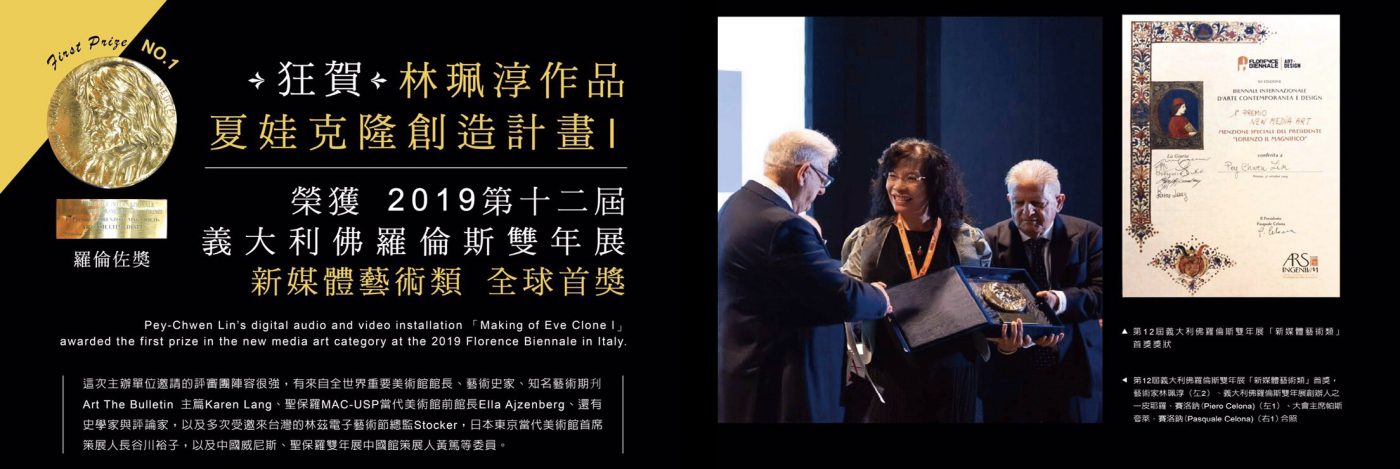
「林珮淳個展:夏娃克隆系列—林珮淳的AI伊甸園」榮獲2026 美國繆斯設計獎「概念設計-展覽與活動類」金獎
“Pey-Chwen Lin Solo Exhibition: Eve Clone Series — Pey-Chwen Lin’s AI Eden”
Gold Winner of the 2026 MUSE Awards “Conceptual Design – Exhibition & Events”
https://design.museaward.com/winner-info.php?id=36279
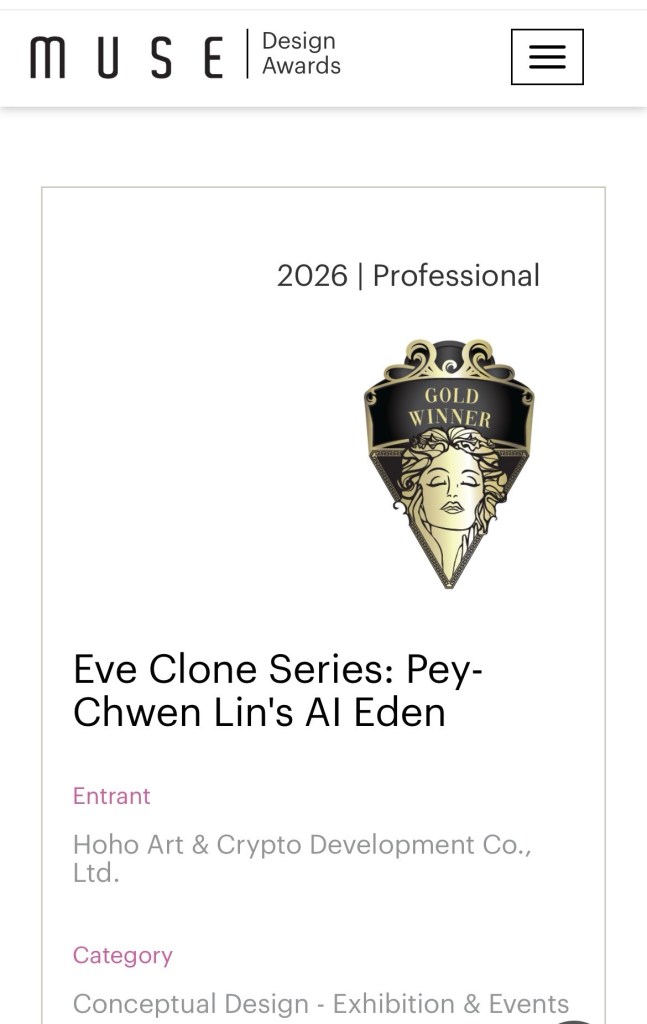
榮獲2026 法國設計獎「概念設計-展覽與活動類」金獎
2026 French Design Award Gold Winner, “Conceptual Design – Exhibition & Events”
https://frenchdesignawards.com/winner-info.php?id=4368
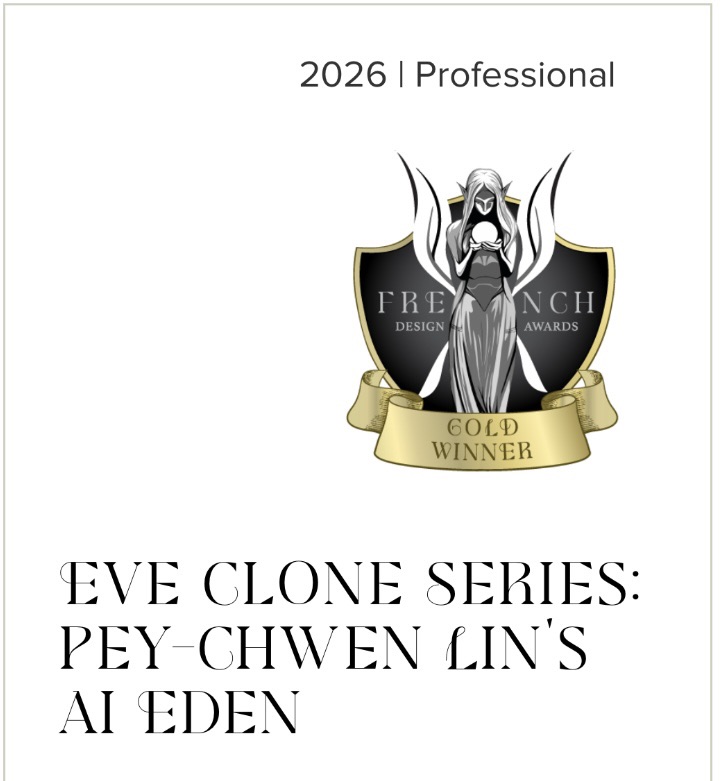
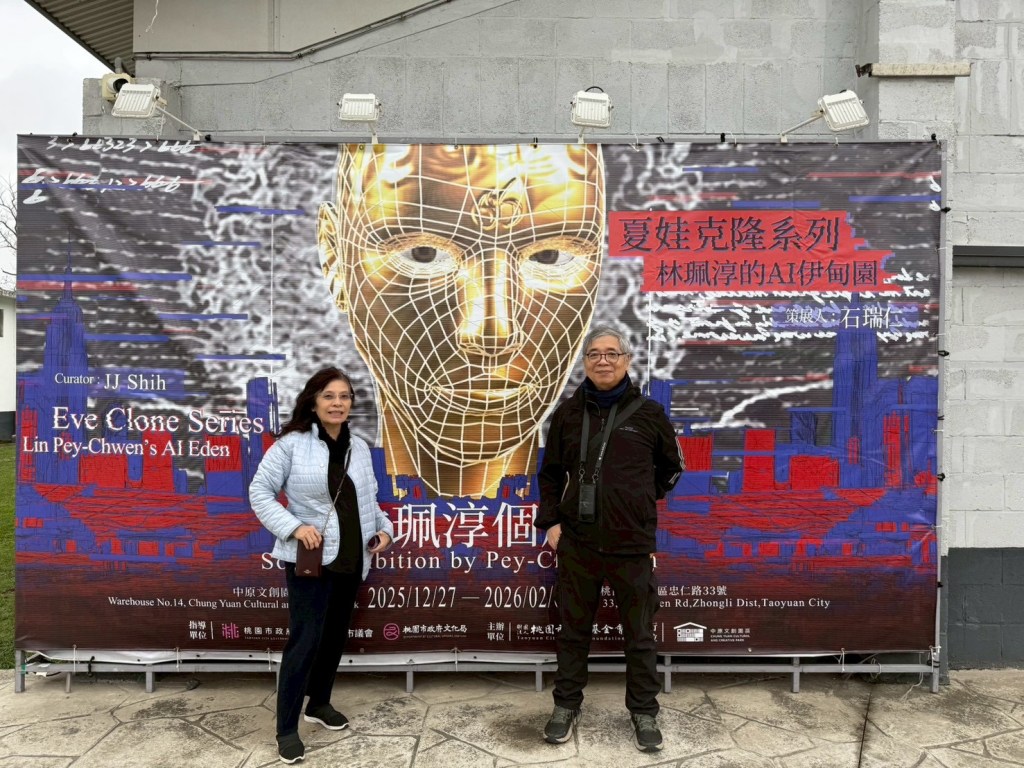
2025 林珮淳個展:夏娃克隆系列—林珮淳的AI伊甸園
2025 Pey-Chwen Lin Solo Exhibition: Eve Clone Series — Lin Pey-Chwen’s AI Eden
展覽日期 Exhibition Dates:
2025.12.27 — 2026.02.08
策展人:石瑞仁
Curator: J. J. Shih
地點Venue:
桃園中原文創園區 14倉
Warehouse 14, Chung Yuan Cultural and Creative Park, Taoyuan
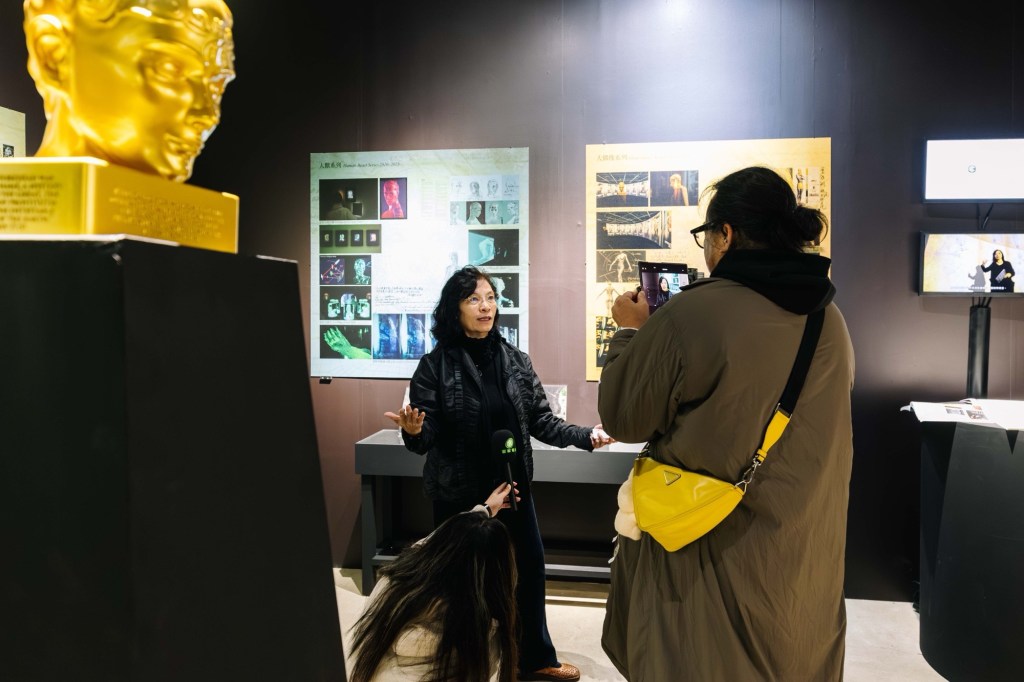
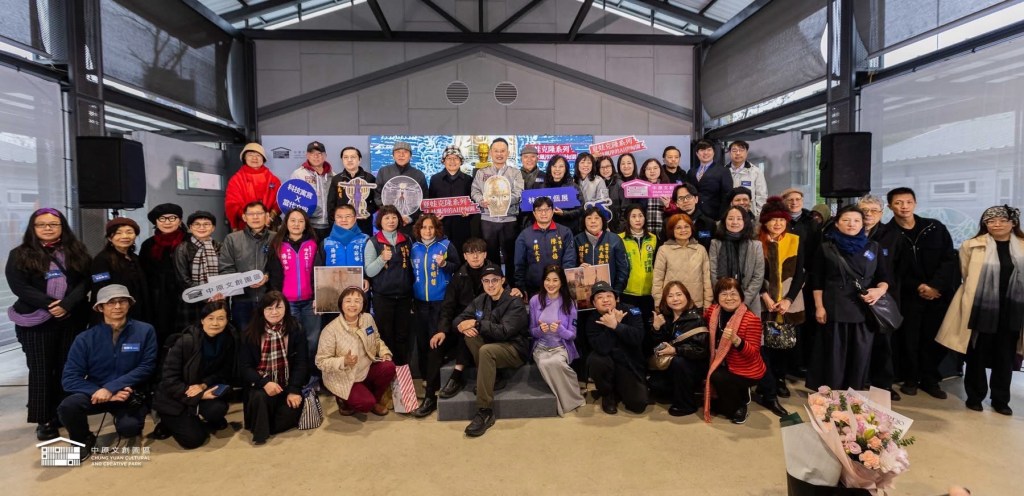
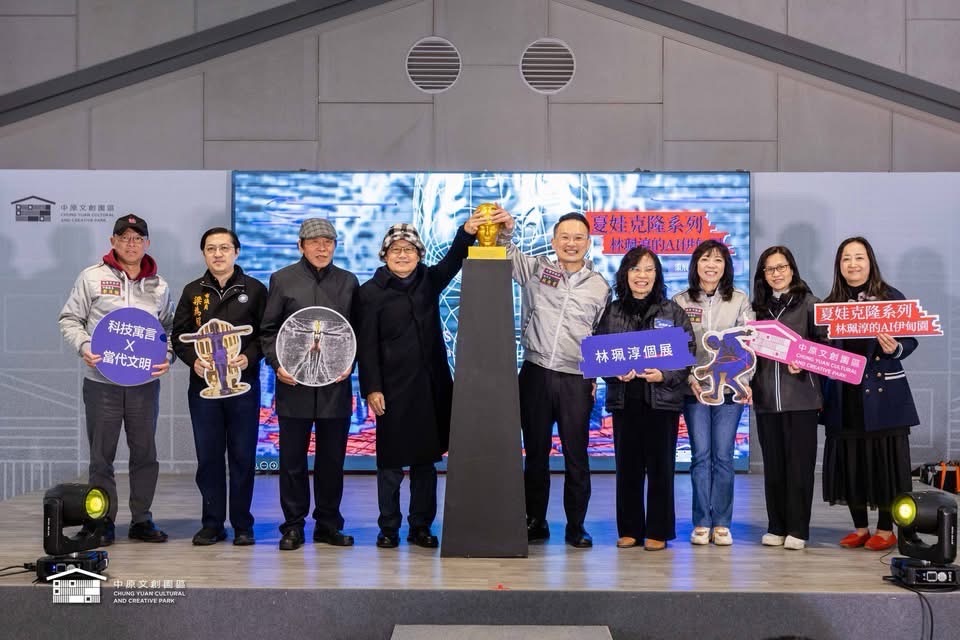
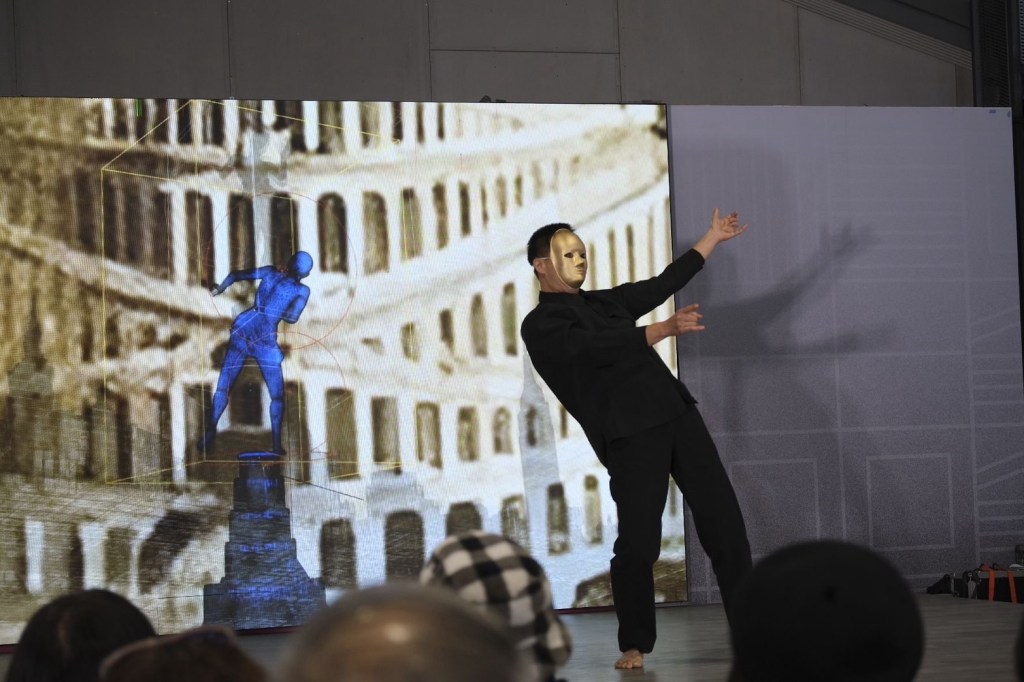
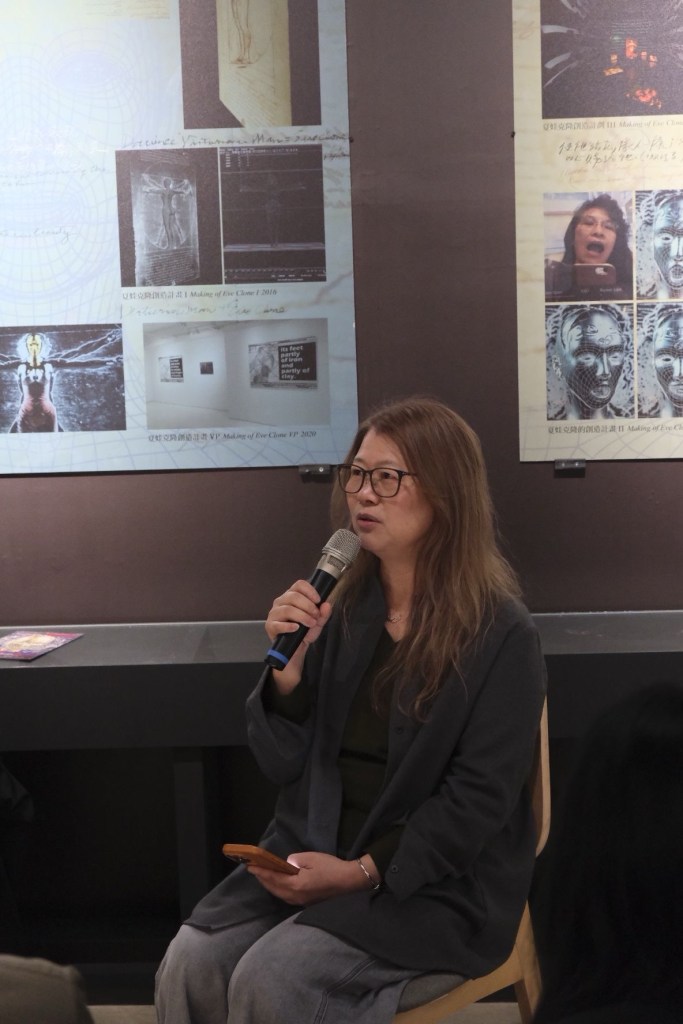
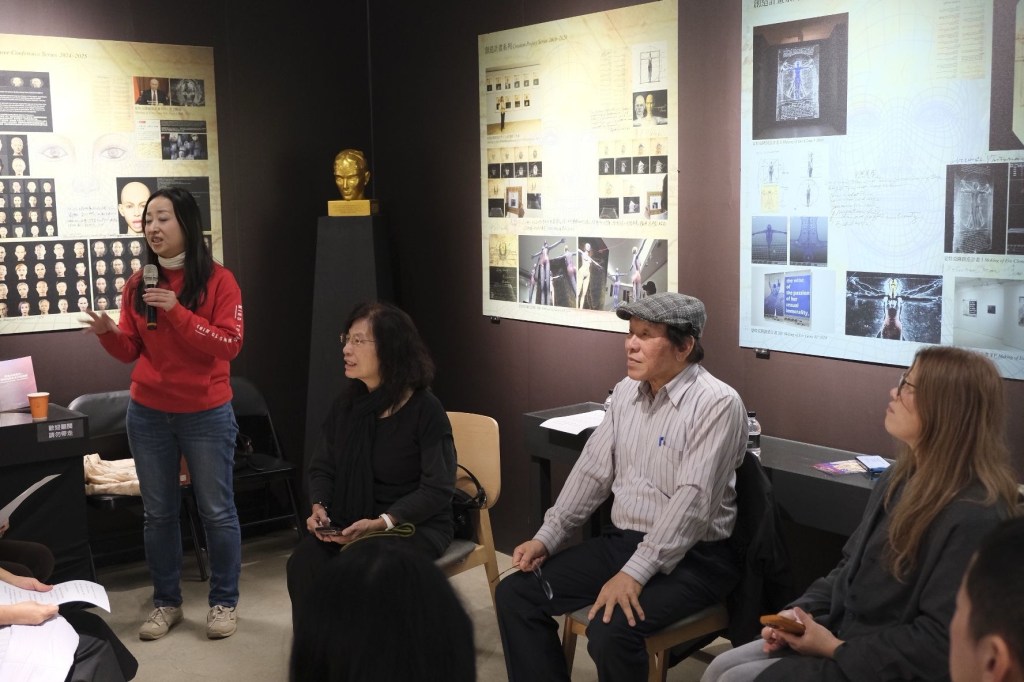
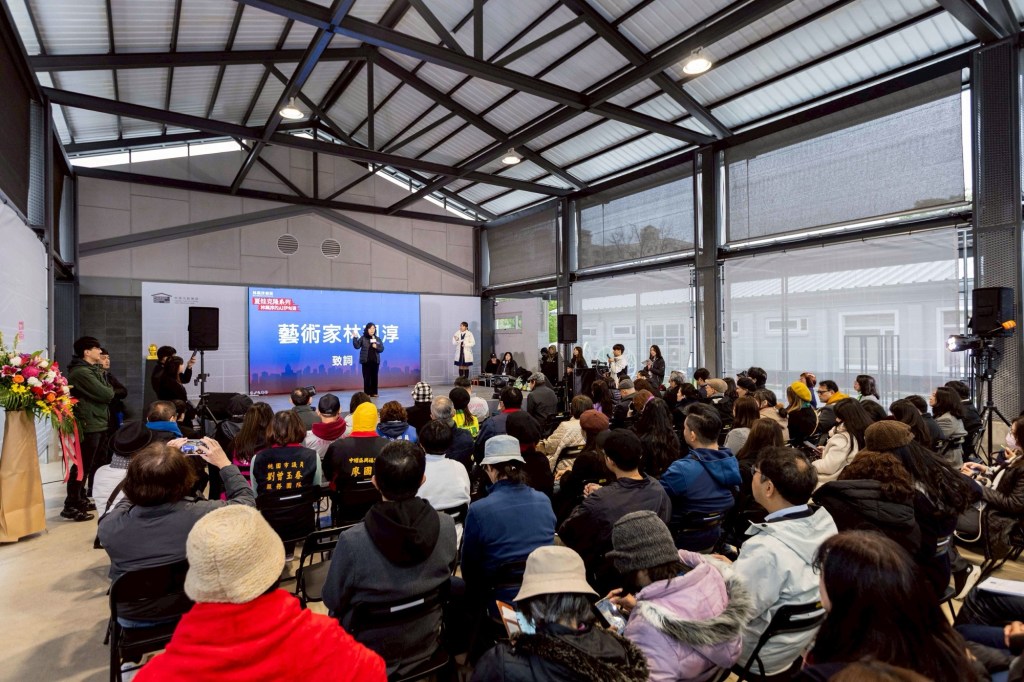
開幕記者會時間與地點
Opening Press Conference
Date & Time: January 2, 2026 (Fri), 2:00 PM
中原文創園區 13倉
https://share.google/IP8K5d1P6oHLHl6ug
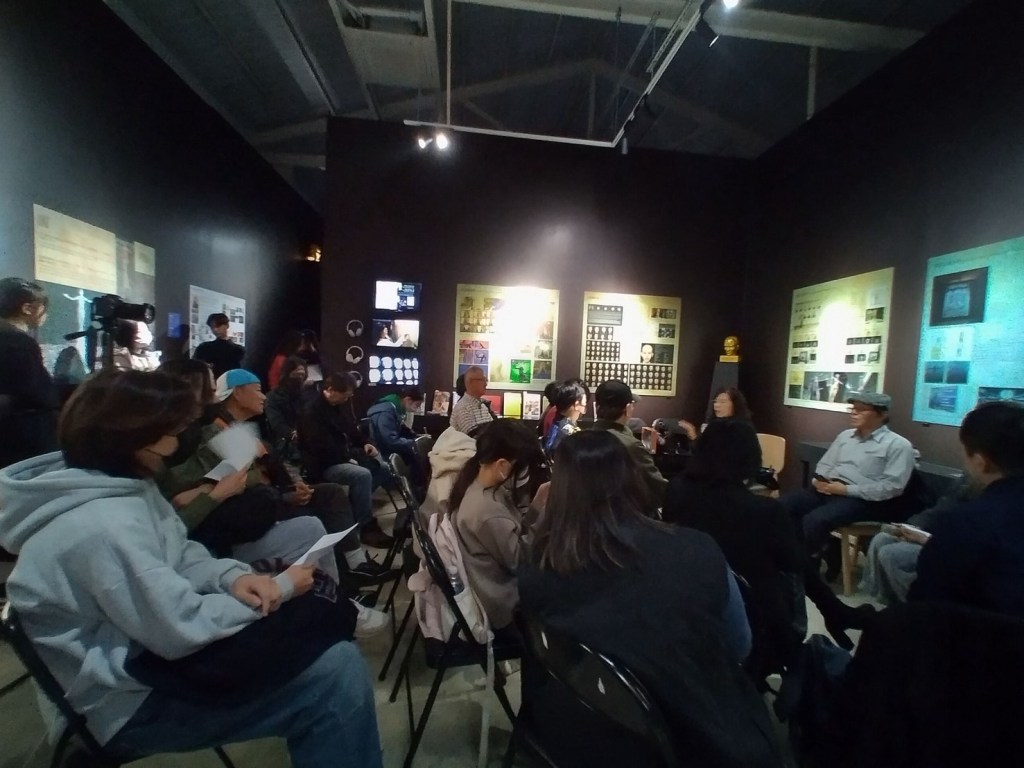
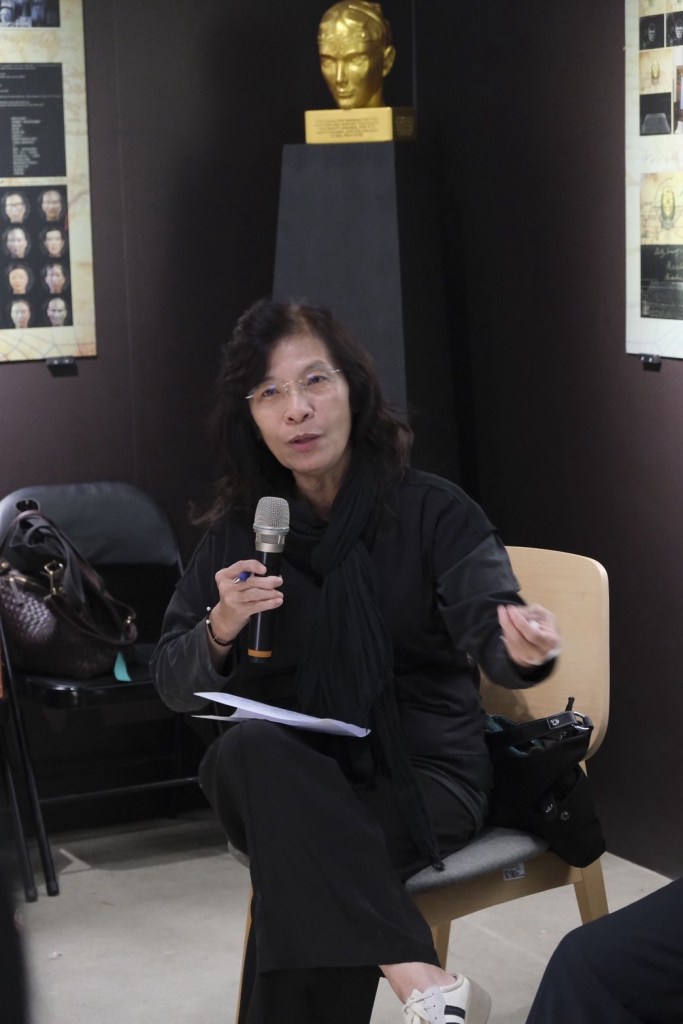
座談會:石瑞仁、林珮淳、曾鈺涓
Symposium Panelists:
J. J. Shih, Pey-Chwen Lin, Yu-Chuan Tseng
石瑞仁,《夏娃克隆:林珮淳的 AI 伊甸園》,開放博物館(Open museum Plaza),台灣中央研究院數位文化中心(Center for Digital Cultures, Academia Sinica,Taiwan),1月份,2026年。
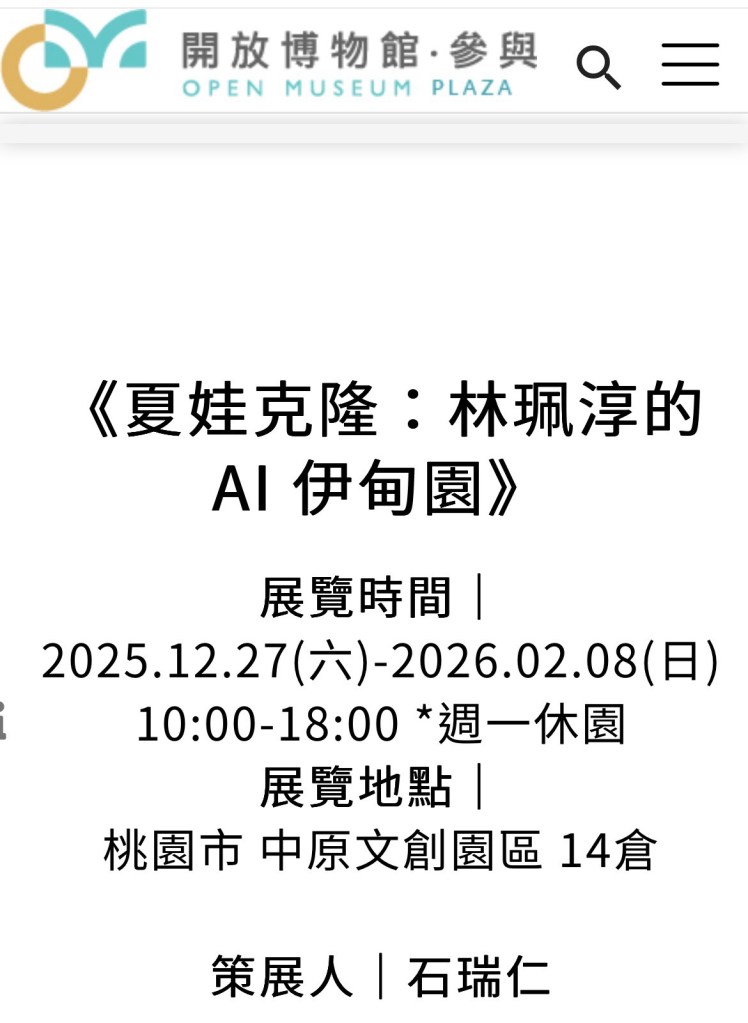
open museum plaza網站:https://plaza.openmuseum.tw/muse/exhibition/ff1b421f524e68e0448cac1b7d9867da
- 鄭家鐘,《由林珮淳的夏娃克隆系列看數位時代文藝復興的方法論》,非池中藝術網藝術評論,台灣,1月份,2026年。連結:https://artemperor.tw/focus/6956
- Chia-Chung, “A Methodology of Digital-Era Renaissance: Viewing Pey-Chwen Lin’s Eve Clone Series,” Art Critique, ARTEMPER Art Media, Taiwan, January, 2026. Link: https://artemperor.tw/focus/6956
- 石瑞仁,《夏娃克隆系列:林珮淳的Al伊甸園》,藝術家雜誌,台灣,頁268–271, 12月,2025年。連結:https://www.academia.edu/145808017/%E7%9F%B3%E7%91%9E%E4%BB%81_%E5%A4%8F%E5%A8%83%E5%85%8B%E9%9A%86%E7%B3%BB%E5%88%97_%E6%9E%97%E7%8F%AE%E6%B7%B3%E7%9A%84Al%E4%BC%8A%E7%94%B8%E5%9C%92_%E8%97%9D%E8%A1%93%E5%AE%B6%E9%9B%9C%E8%AA%8C_%E5%8F%B0%E7%81%A3_%E9%A0%81268_271_12%E6%9C%88_2025%E5%B9%B4
展覽宣傳短片 Exhibition Trailer



策展論述
《夏娃克隆系列:林珮淳的 AI 伊甸園》
策展人|石瑞仁
前言|AI 時代的人類:在光影與欲望之間
當人工智慧迅速滲入日常生活,我們的世界不再只是被科技包圍,而是與科技共構、共同演化。林珮淳長期以科技媒體探討「身體、記憶與空間」的變動,從二十一世紀初《夏娃克隆》的基因寓言,到近年以互動投影與 AI 生成影像構築的沉浸場域,她的創作始終在提醒觀者:科技文明的進步,是希望與危險並存的雙面鏡。
過去二十多年來,林珮淳的作品不是在國際競賽中獲獎,就是在美術館與藝術殿堂中隆重發表,因此容易被視為具備「藝術前沿、技術尖端、論述謹嚴、難度高超」等特質。本次展覽在更平民化、生活化的中原文創園區舉行,意在突破科技藝術的「三高」印象,使作品所提出的核心問題能更貼近大眾對科技時代的真實經驗。
本次策展期望將《夏娃克隆》的寓言帶回日常語境,使其不僅是預言未來危機的藝術警語,也能引領觀眾直接面對自身的提問:
當 AI 能生成記憶、模擬身體、建構空間時,人類如何理解自我?
當真實與虛構的界線被模糊,身體如何重新被確認?
在科技與欲望相互強化的時代,我們如何面對自由與選擇?
展覽內容|走入科技寓言的六段旅程
本展以感知模式為起點,透過入口的儀式感、核心展場的劇場性、沉浸空間的多媒體經驗,以及 AI 新作的生成影像,共同構築一場「寓言之旅」。觀眾既能在宏大光影中感受震撼,也能透過互動裝置留下自身的數位痕跡,使科技議題從抽象概念內化為個人經驗。
在 AI 重塑世界的今日,身體、記憶與空間的感知皆在快速變動,但見,科技已不再只是工具,而是逐步成為一種「新創造者的力量」。當人類擁有重塑生命與自我認同的能力,卻也可能更接近失去界線的危險。這正是林珮淳二十多年科技寓言創作的核心關懷。
本次展出的五大系列作品,完整展示她如何做為藝術家持續回應科技、倫理與文明問題的方式:
- 〈夏娃克隆—人獸合體〉系列
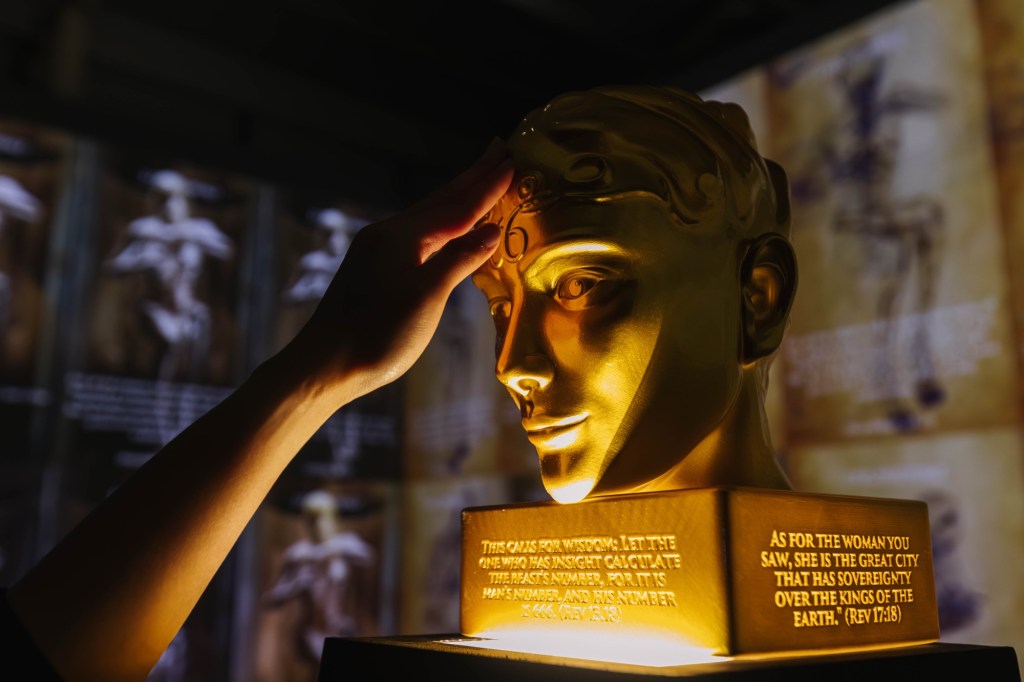
- 〈夏娃克隆—大偶像〉系列
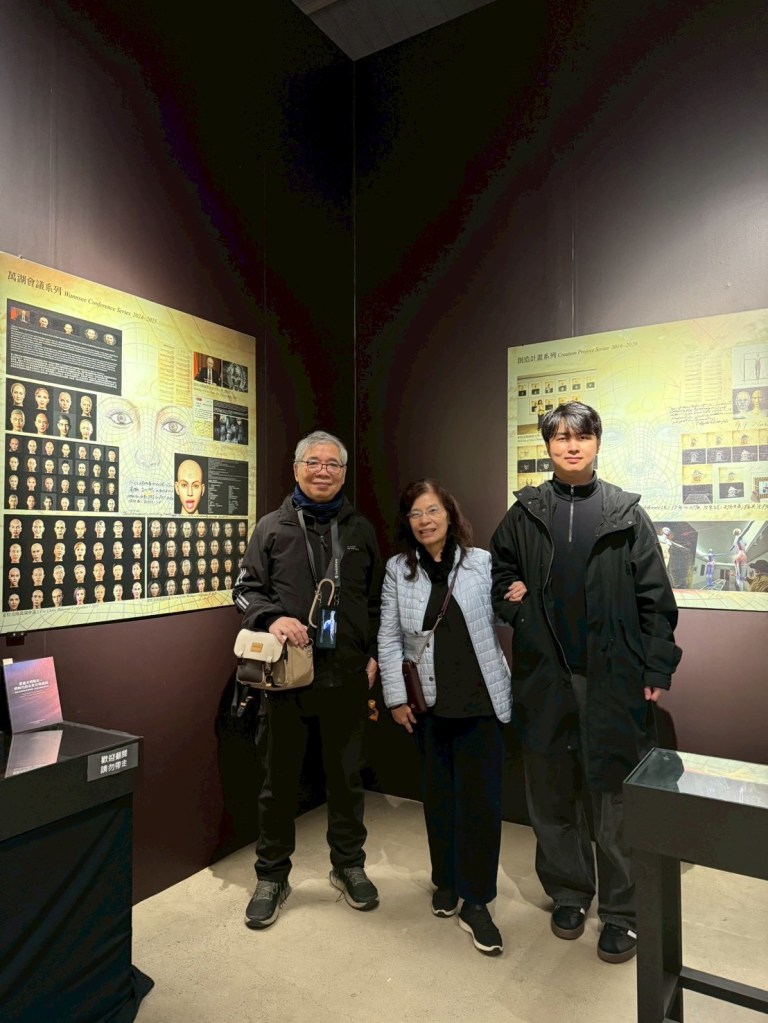
- 〈夏娃克隆—創造計畫〉系列
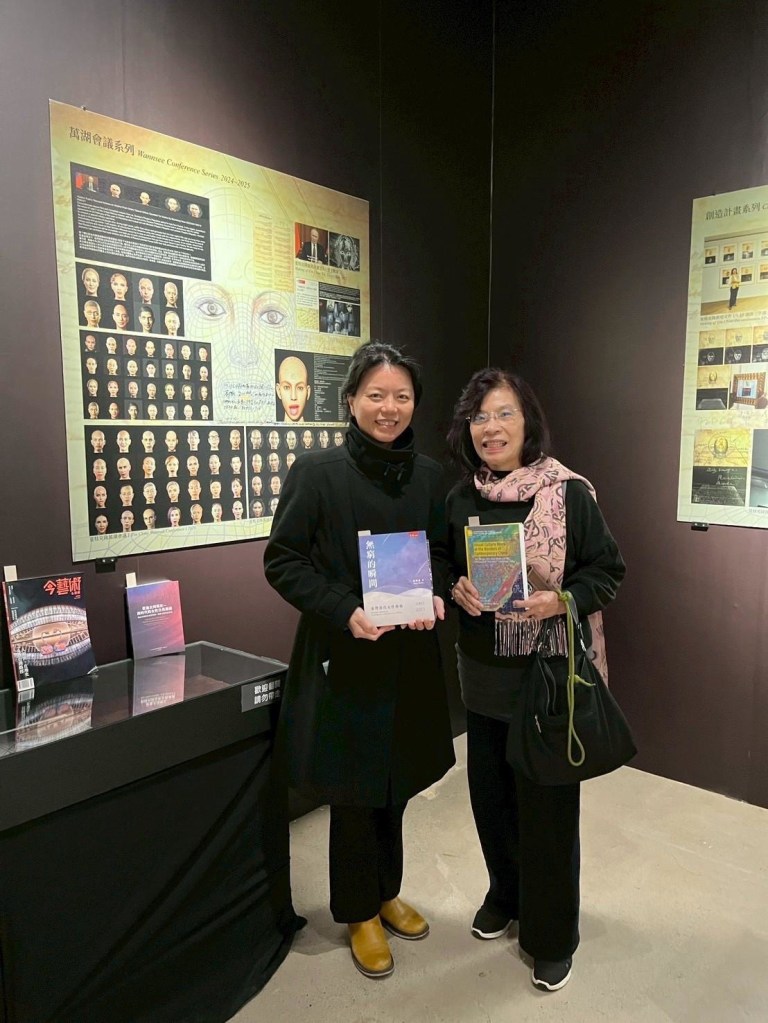
- 〈夏娃克隆—萬湖會議〉系列
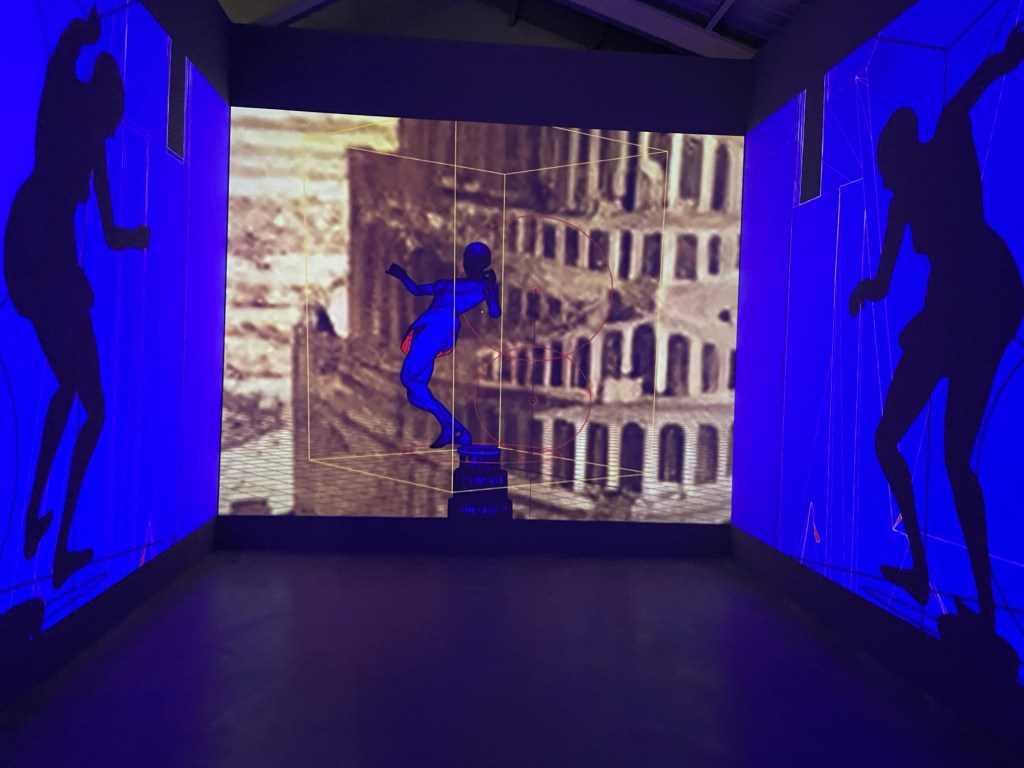
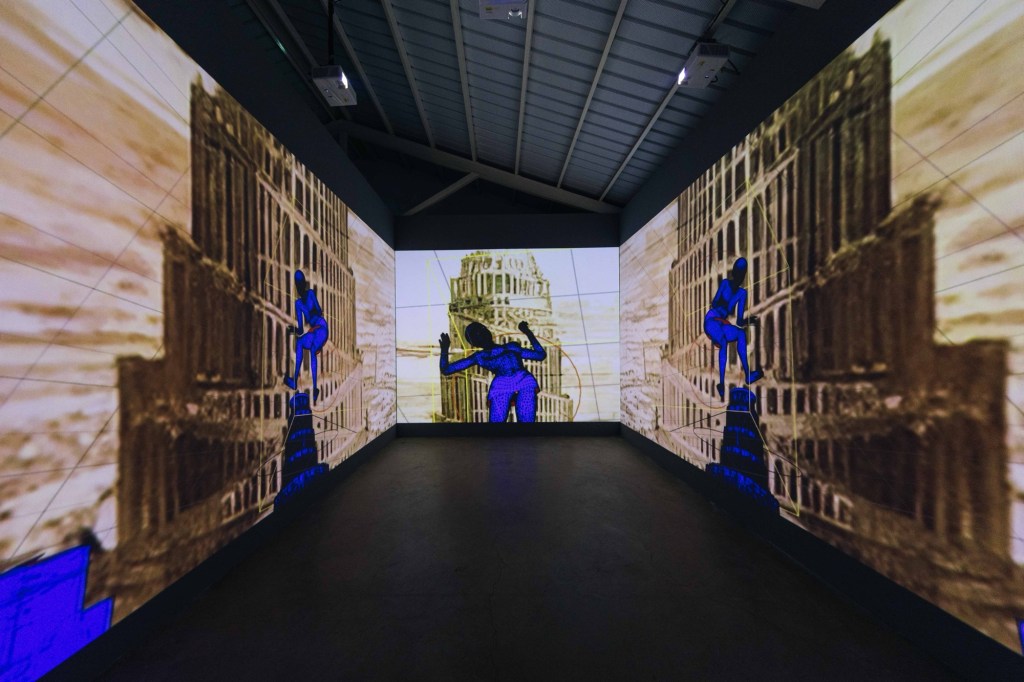
- 〈夏娃克隆—巴別塔〉系列
策展論述以四條思想軸線為主軸──
「以信仰為根、以科技為媒、以寓言為語、以批判為旨」
並借助各系列作品作為具體實例,使觀看與論述能互為印證。
一、以信仰為根:以創世寓言照亮科技文明的倫理高度
林珮淳經常引用《創世記》的神話語境,但其意圖不是宗教宣教,而是以「信仰作為洞察世界的光」。
例如:
● 〈夏娃克隆—創造計畫〉系列
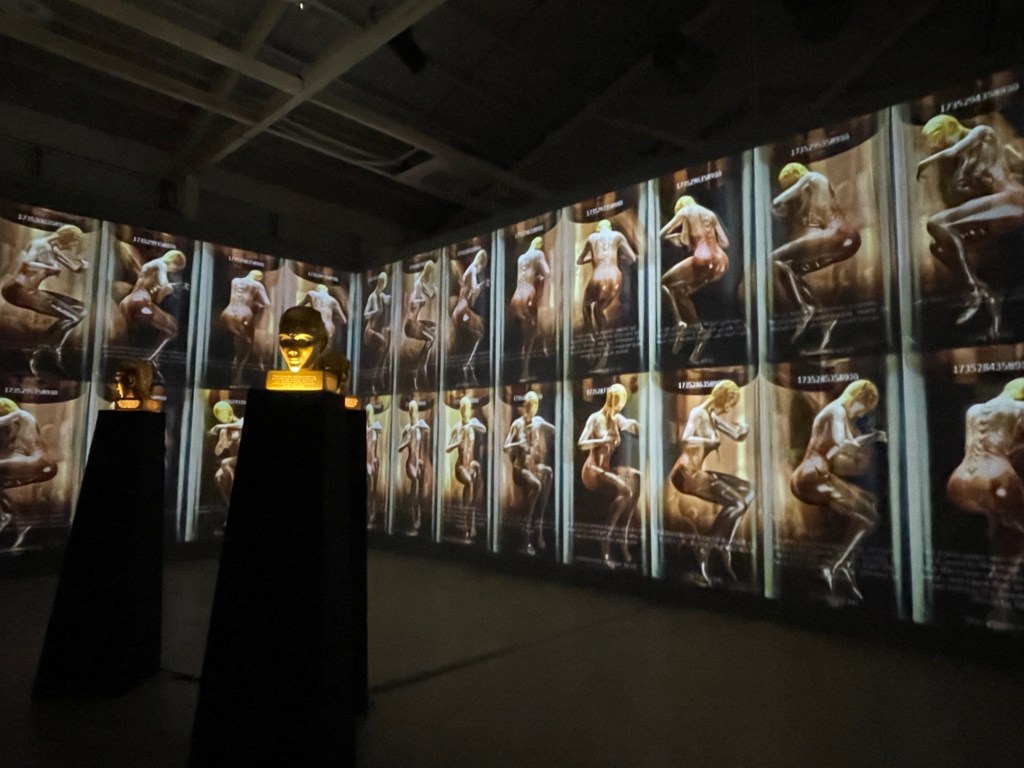
夏娃的身體被拆解、重組、增生,象徵人類介入生命創造的野心,衝撞神聖創造與倫理的邊界。
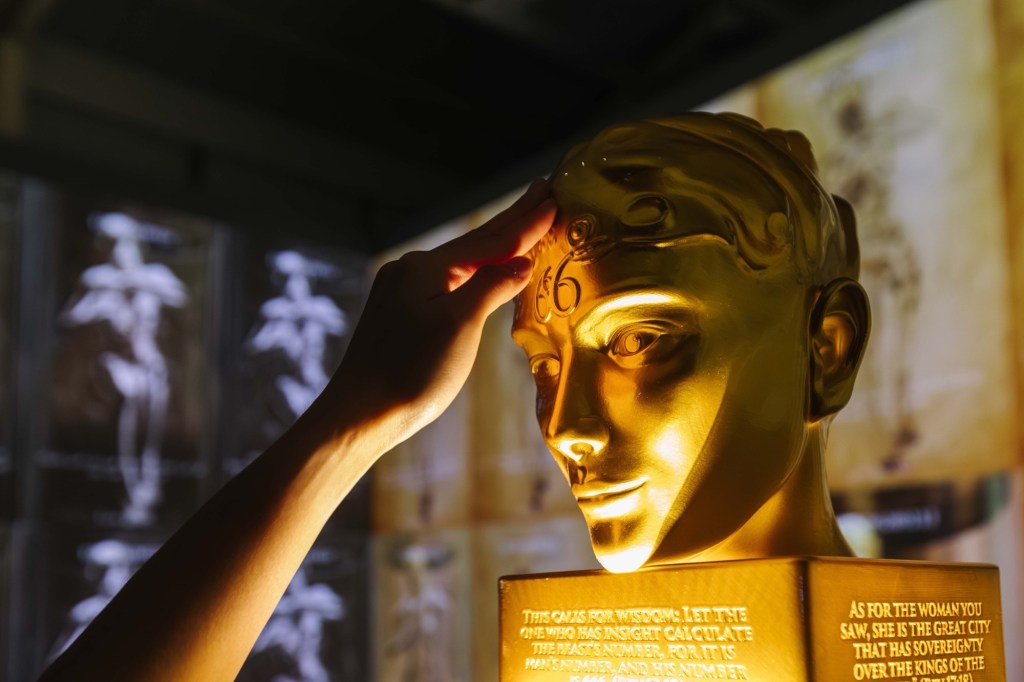
● 〈夏娃克隆—大偶像〉系列
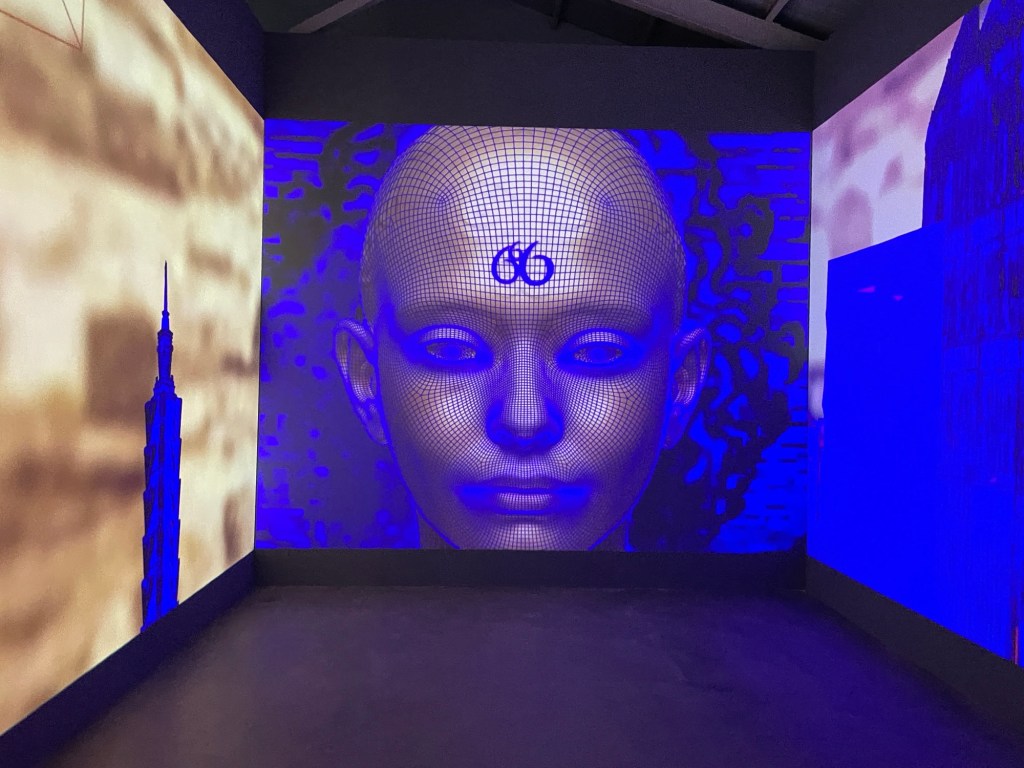
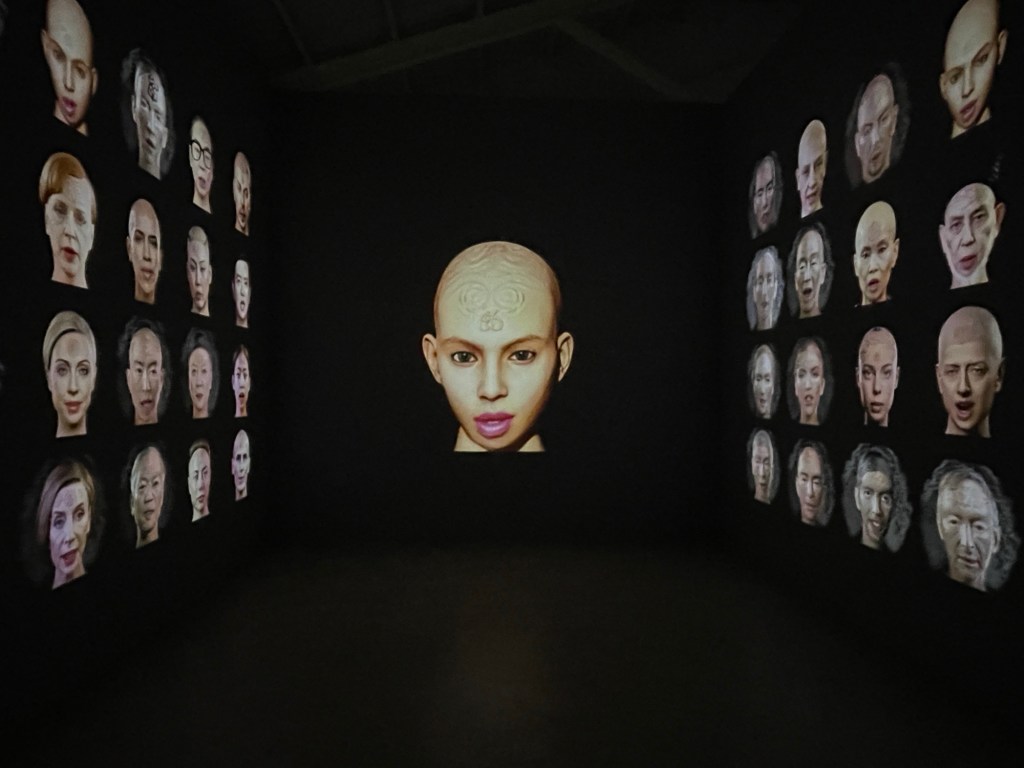
系列中的巨大頭像如同科技文明的「新神像」——人類藉由科技自我造神,重演古老的偶像崇拜戲碼。
由是,在林珮淳的作品中,「信仰」並不是終點,而是理解科技倫理的起點。
她使「創造」、「身體」、「界線」等宗教原型得以重新放大,用以揭露科技文明深層的倫理張力。

二、以科技為媒:用科技揭露科技的幻覺、盲點與悖論
林珮淳擅長以科技創作製造「反身性的觀看」,也就是以科技材料反照科技的盲點。
● 〈夏娃克隆—人獸合體〉系列
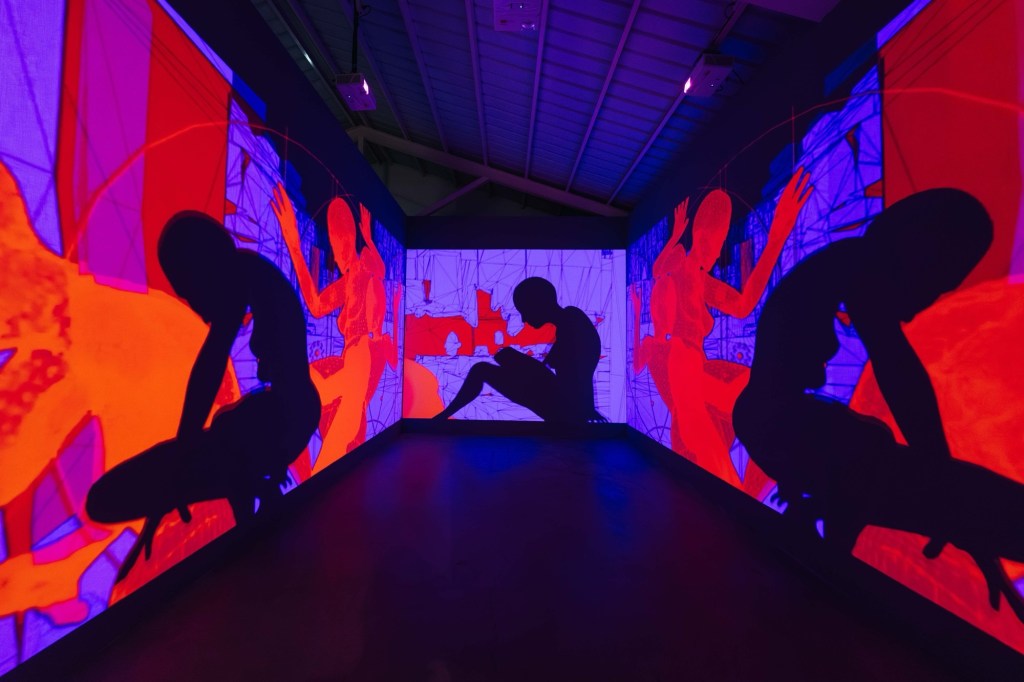
女性形象與動物、羽翼、異形混生,呈現人與非人的界線如何被基因、資料與 AI 技術逐漸消融。
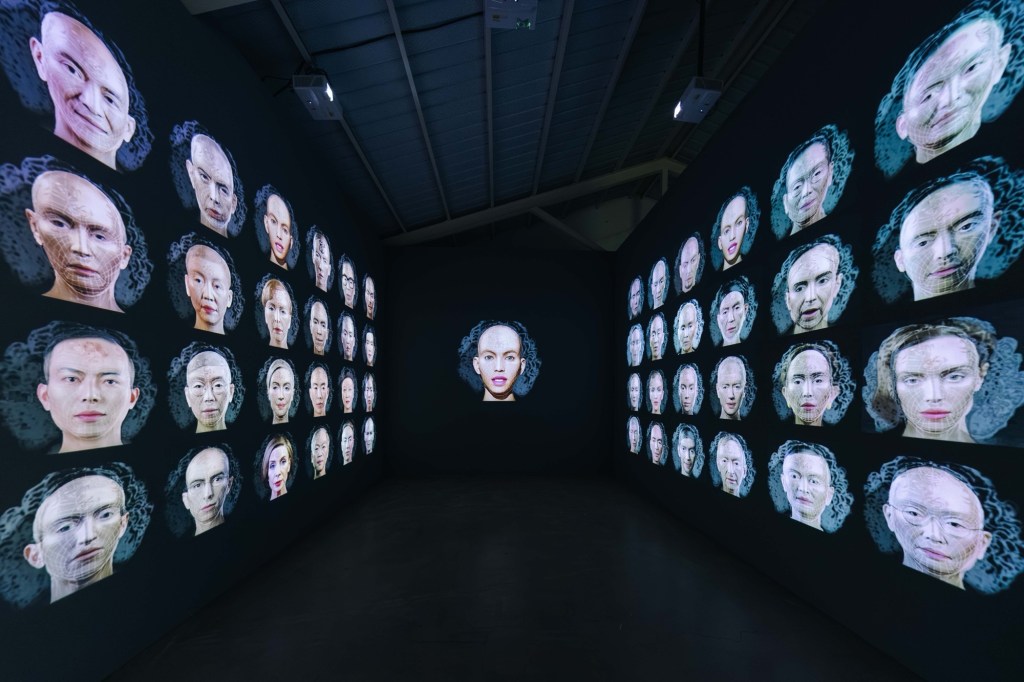
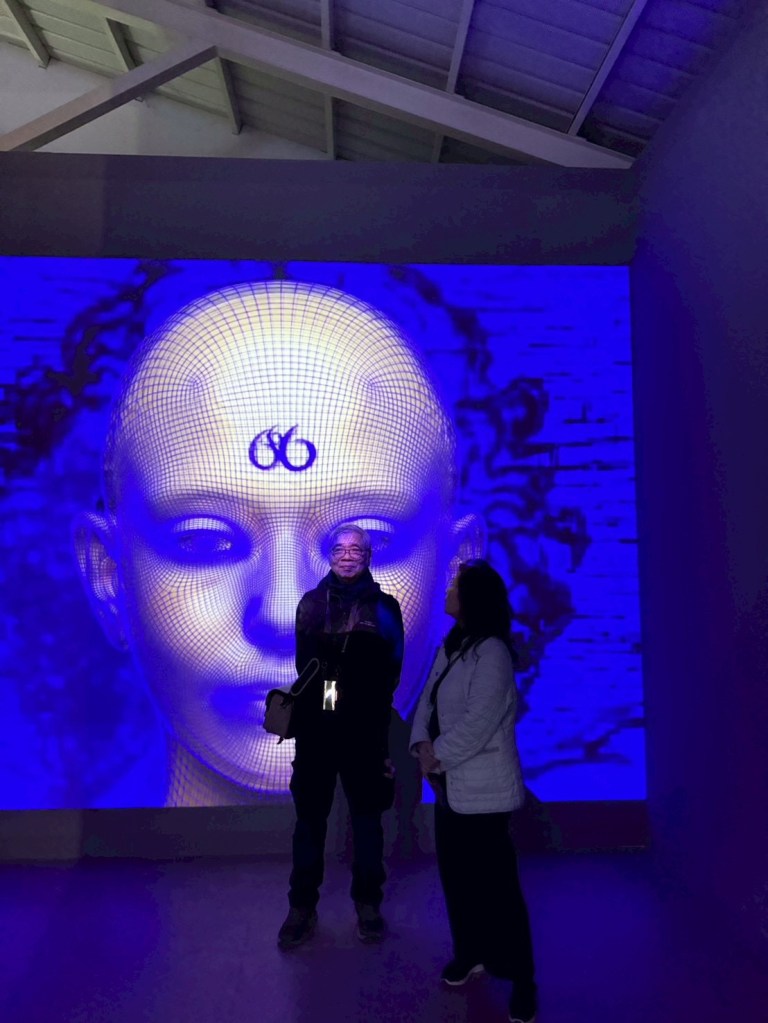
● AI 新作〈光影體〉〈AI 新生〉
AI 生成的夏娃外表美麗而精準,卻不具靈魂——象徵科技美學的悖論:
越完美,越虛無;越逼真,越陌生。
林珮淳讓科技從吸引與幻象中轉化為思辨的入口,使觀眾在光影誘惑下仍能保持批判距離。

三、以寓言為語:五大系列構築的科技寓言劇場
本次展出五大系列本身便是一部「當代科技寓言史」。
● 〈夏娃克隆—萬湖會議〉系列
以納粹「萬湖會議」隱喻今日科技精英在閉門會議中決定人類未來,點出科技進步始終伴隨權力結構。
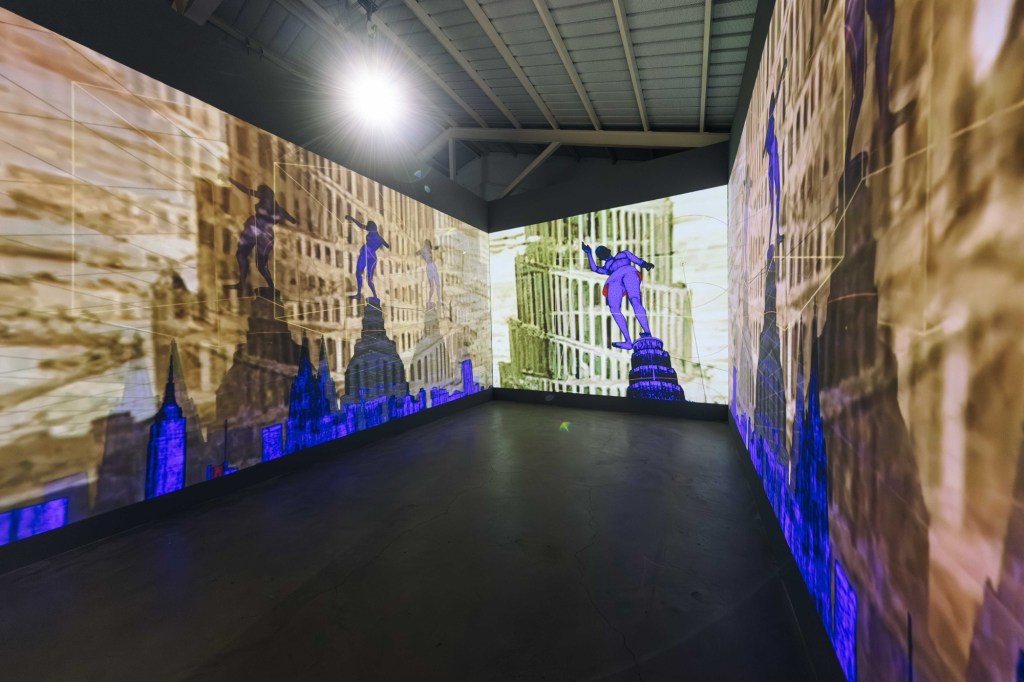
● 〈夏娃克隆—巴別塔〉系列
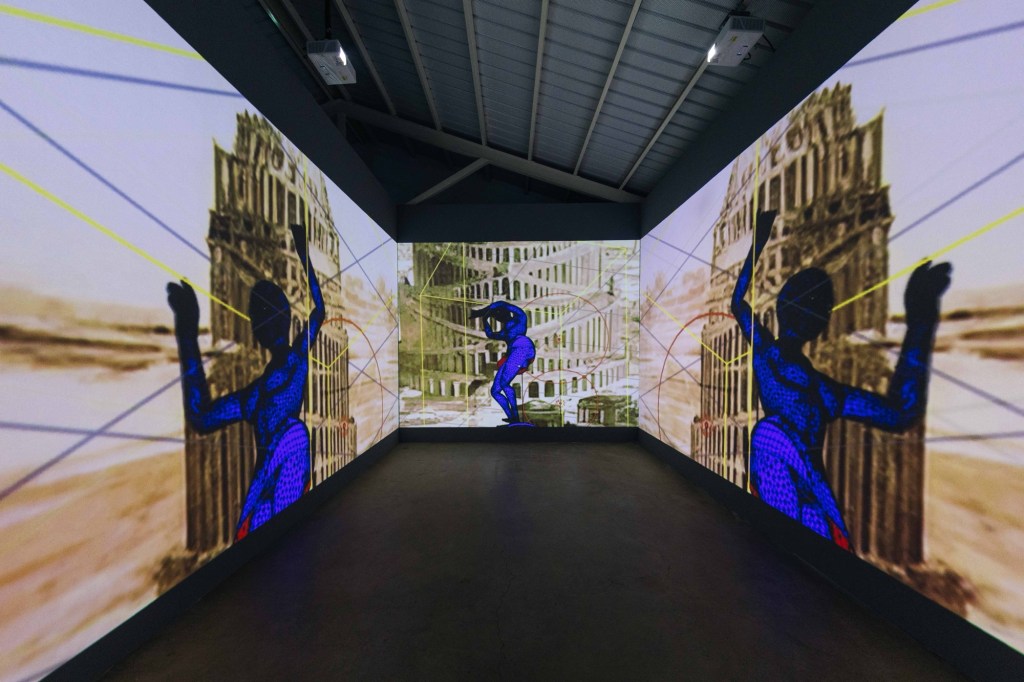
以巴別塔象徵科技文明的「語言幻象」:追求完全資訊互通與單一通訊語言,反而可能導致文明崩塌的危機再現。
類此,林珮淳以神話與歷史寓言作為觀察科技文明的鏡子,不是為了逃避現實,而是以更遙遠的尺度回望當代,揭露科技深處的結構與宿命。

四、以批判為旨:科技光影下的文明盲區
林珮淳的批判並非反科技,而是反人類在科技文明中無限擴張的欲望。
● 〈大偶像〉
象徵科技文明走向自我造神的危機。
● 〈人獸合體〉
揭示身體失去邊界後的焦慮與倫理空缺。
● 〈萬湖會議〉
點出科技發展背後的政治與資本意志。
她讓觀者面對的是科技文明的根本問題:
科技是否正在取代倫理?
科技是否正在消化道德?
科技是否正在重新編碼人性?

結語|AI 伊甸園:摔角之後,天梯之前
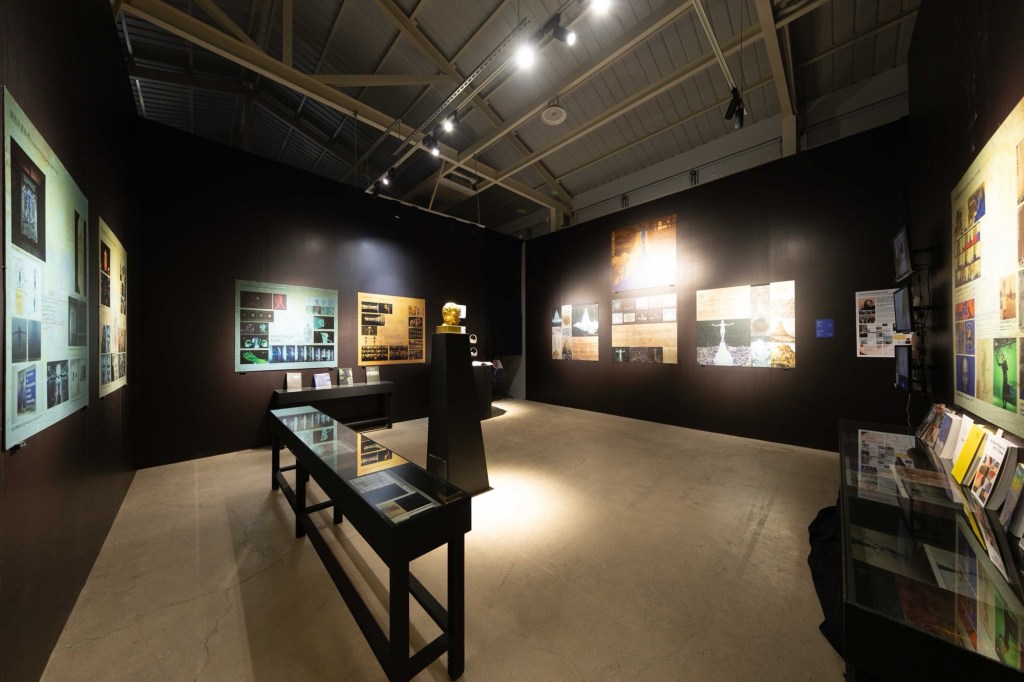
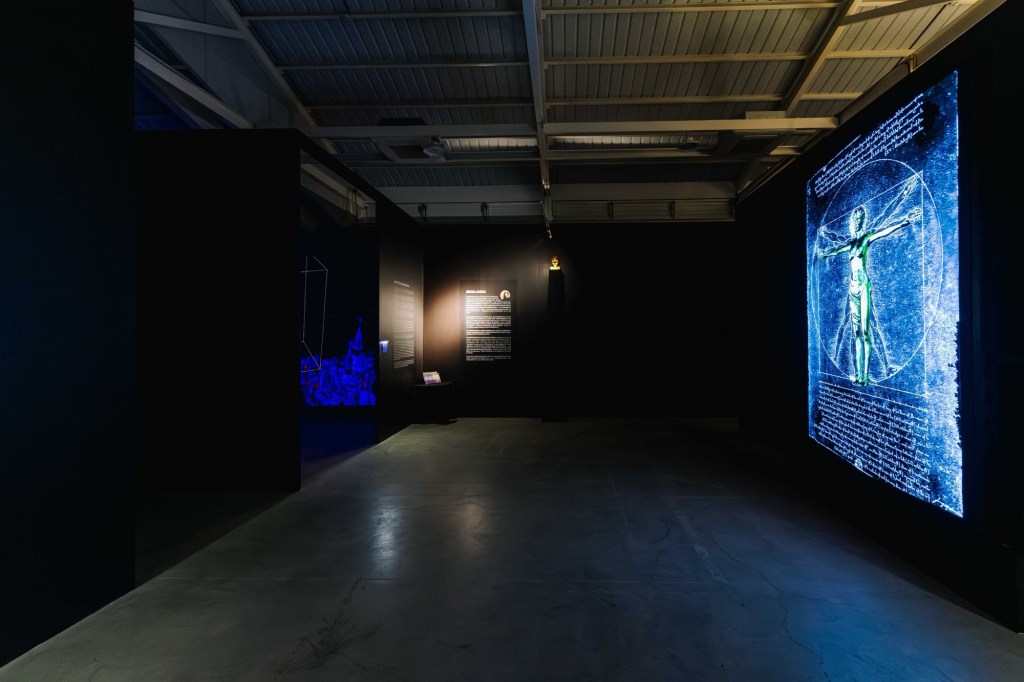
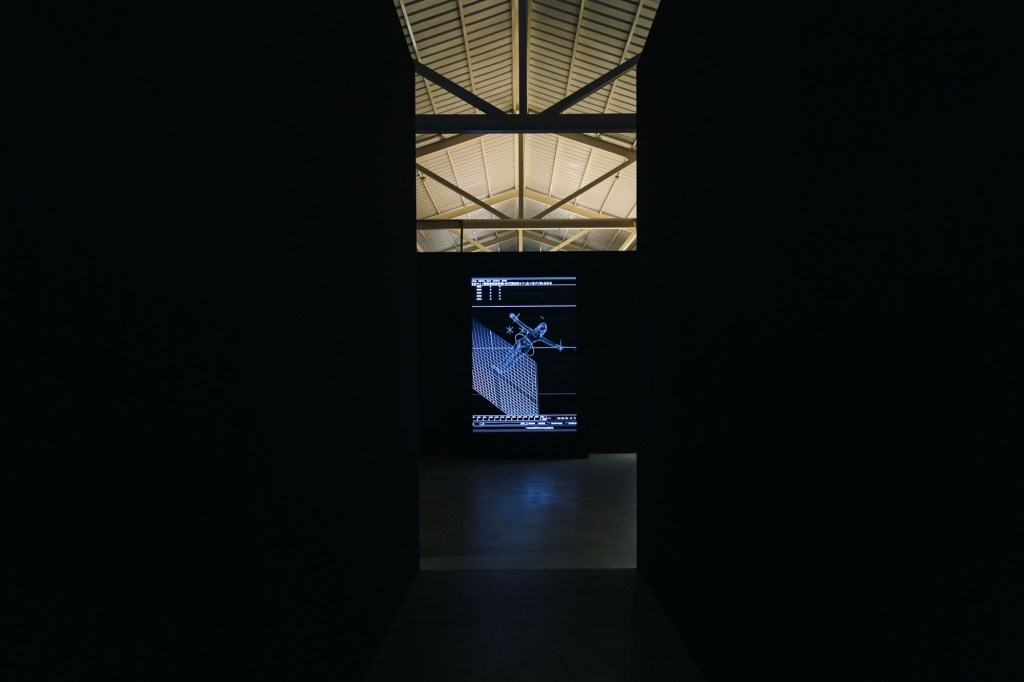
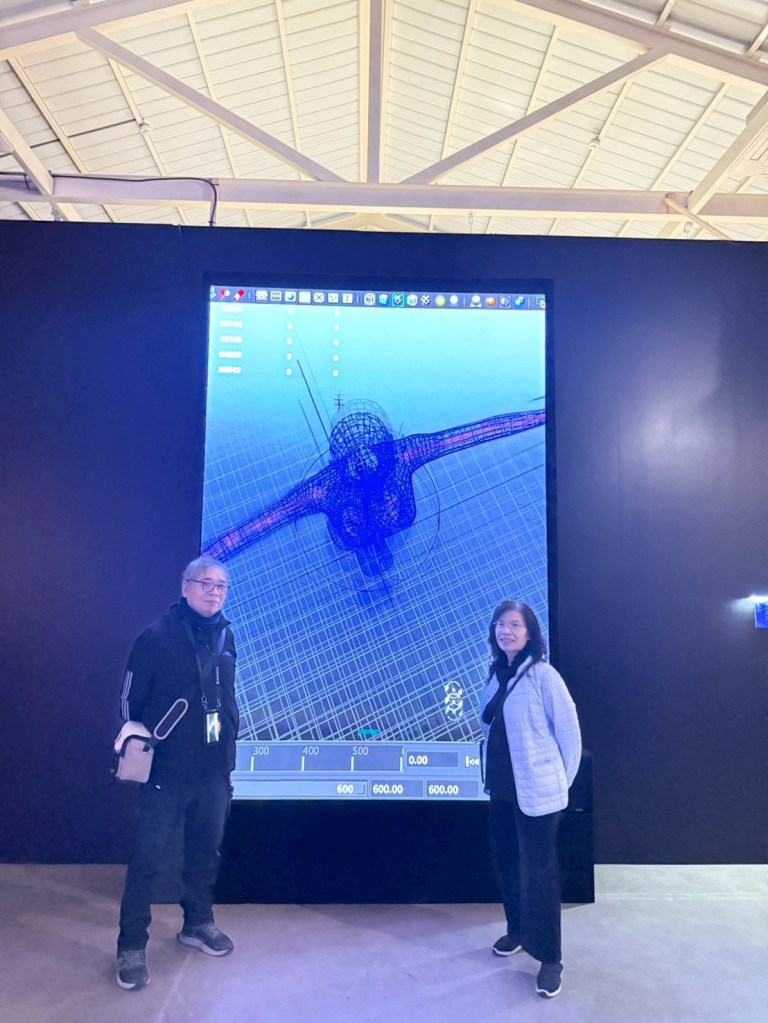
本展於中原文創園區 14 號倉庫打造六個「臨界場景」:
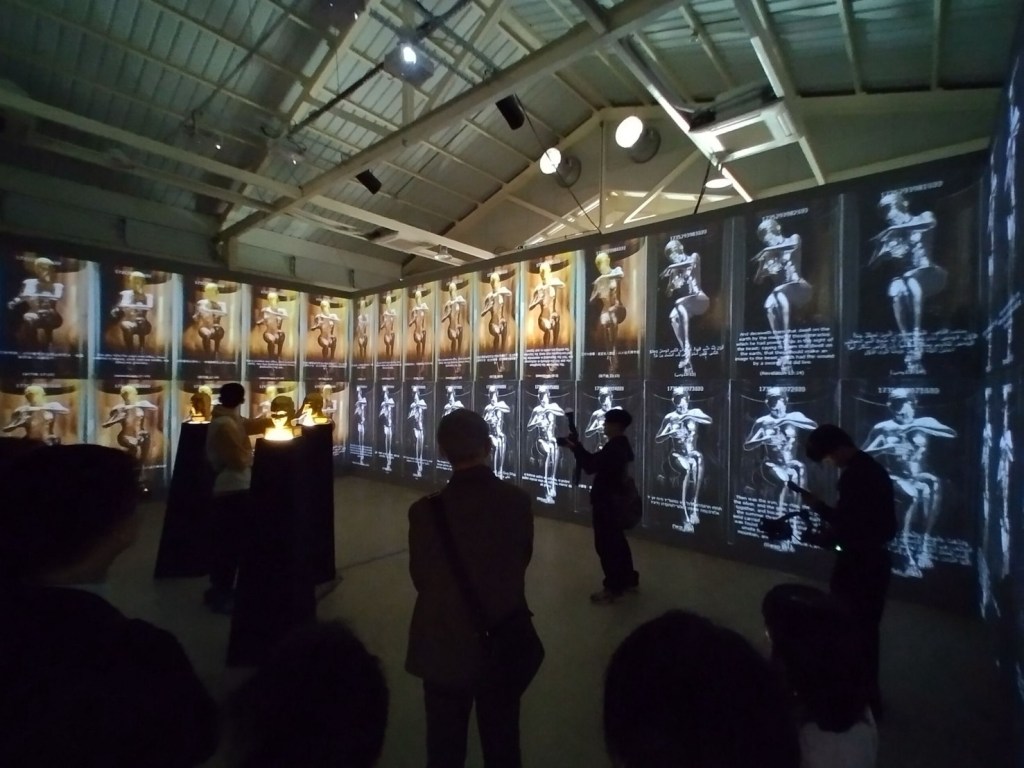
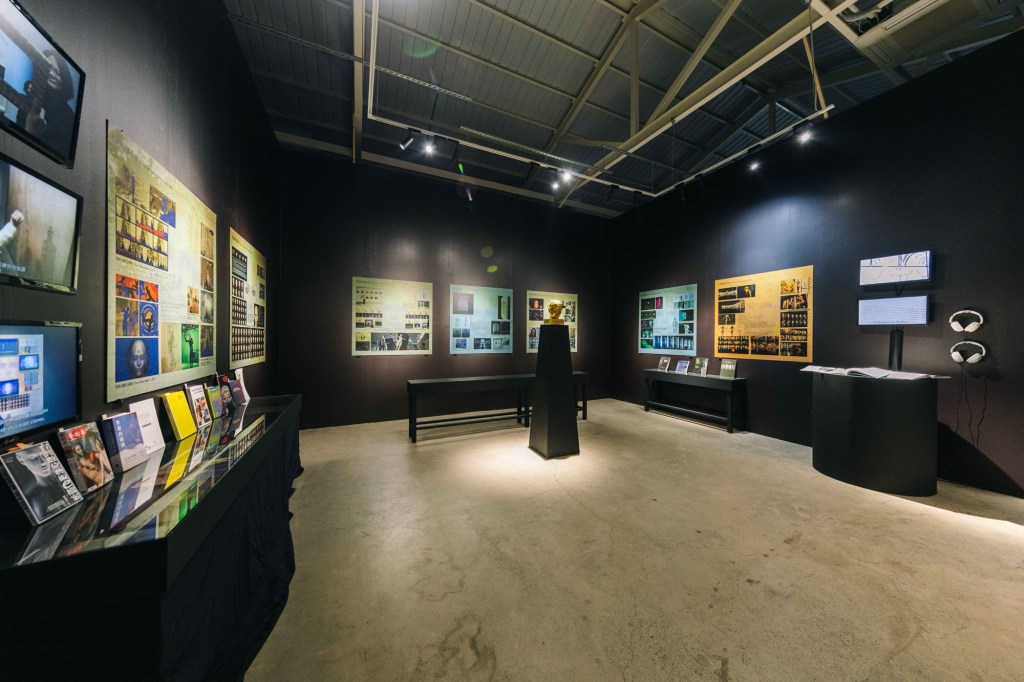
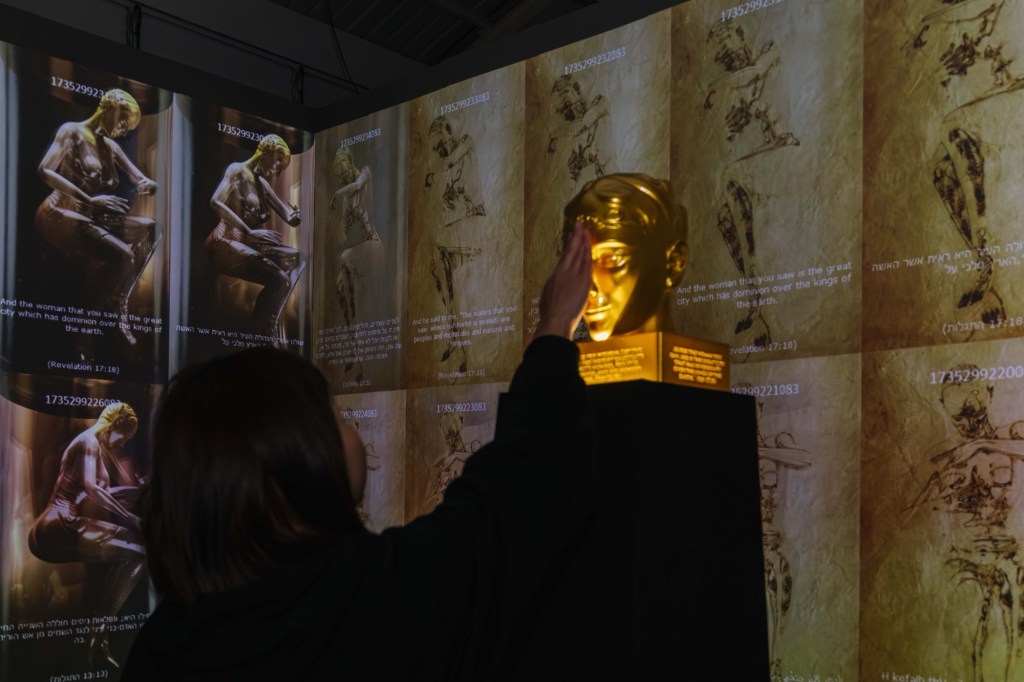
入口儀式區、核心夏娃劇場、沉浸空間、36 顆金頭的巨大投影場、AI 新作區以及藝術家回顧文獻牆。
觀眾在其間穿梭,如同走入重新建構的科技寓言之書。
然而,本展的目的不是宣告 AI 末日,也不是恐懼科技。
它真正批判的是人類在科技幻景中被放大的欲望與傲慢。
因此,結語借用《創世記》中「雅各摔角」與「伯特利天梯」的意象。
在今天,人類與 AI 的關係,宛如雅各在曠野與天使摔角:
可能受傷,可能困惑,但也可能迎來新的名字、新的方向。
AI 伊甸園亦如一座天梯:
上下往來,連接光明與黑暗;
既可能上升,也可能沉淪。
選擇的力量,掌握在人類自己手中。
最後 祝願本展成為觀眾重新理解科技、重新定位自我、重新選擇方向的一道靈光。 明燈;不只是鏡子,而是一條道路;本展對於科技的反思,其實也指出了文明轉向的可能。
Eve Clone Series: Lin Pey-Chwen’s AI Eden
J. J. Shih/ Curator
Foreword
In today’s world, artificial intelligence is increasingly permeating our daily lives, people are no longer merely surrounded by technology but coexist with it. Lin Pey-Chwen has long been applying digital media arts to explore the intertwining of “body, memory, and space". From her early genetic allegory in “Eve Clone” Series to her recent immersive spaces combining interactive installations and AI-generated images, her works consistently remind us that the progress of technological civilization brings both hope and hidden dangers.
Lin’s works are often presented in prestigious venues—international competitions or major museums—naturally giving the impression of being avant-garde, conceptually dense, technologically complex, and perhaps intimidating for general audiences. As the year-end feature exhibition of Taoyuan’s Chung Yuan Cultural and Creative Park, “Eve Clone Series: Lin Pey-Chwen’s AI Eden” brings her the most representative works and newest pieces into a more accessible and lived-in cultural setting.
How to dissolve the “three barriers”—artistic, technological, and academic—so audiences can genuinely connect with the works is thus a central curatorial challenge. This exhibition aims to shift the “Eve Clone” narrative away from a distant doomsday allegory and reframe it as a series of questions directly relevant to contemporary life: When AI can generate memory, simulate the body, or construct space, How do we understand the self and the Other? How do we distinguish reality from fabrication? How do we grasp the present—and imagine the future?
The curatorial aspiration of this exhibition is that, within the Chung Yuan Cultural and Creative Park, a space close to civil society, the technological art and cultural allegory presented in the “Eve Clone" series will no longer be merely artistic warnings about a “doomsday future," but will transform into numerous questions that are relevant to the audience: When AI can generate memories, simulate bodies, and construct spaces, how can we still understand ourselves and others? How do we distinguish between reality and fiction? How do we grasp the present and the future…?
Exhibition Overview
The exhibition design expands the viewer’s sensory and experiential modes. Ritualistic entry, a theater-like core space, an immersive multimedia chamber, and newly created AI works construct a sequential “allegorical journey.” Viewers may be overwhelmed by monumental imagery but also leave their digital traces through interactive stations, turning the artist’s inquiries into personal experiences.
For over two decades, Lin’s Eve Clone series has grown into a comprehensive system of technological allegories. Five major series presented here reflect her ongoing evolution:
Eve Clone – Human-Beast Hybrids
Eve Clone – Great Image
Eve Clone – Creation Project
Eve Clone – Wannsee Conference
Eve Clone – Tower of Babel
Regarding Lin Pey-Chwen’s five sets of digital and technology creations and two new AI works this year, the curator has analyzed four ideological axes running through her works: “rooted in faith, mediated by technology, expressed through allegory, and aimed at critique," as a reference for viewers to appreciate the works and experience the exhibition. These are discussed below:
I. Rooted in Faith: Reading the Ethical Depth of Technological Civilization Through Genesis
Although Lin Pey-Chwen Lin’s works draw inspiration from Christian allegories, the motivation and purpose of her creation is not only “missionary work”, but also an intentional use of the mythological allegory of “Genesis" to examine the potential crises of technological civilization. For example, the “Making of Eve Clone” series directly focuses on the ethical contradiction of “recreating life": Eve’s body is disassembled, reconstructed, and proliferated by technology, symbolizing the intervention of human desires, which has destroyed the order and boundaries of sacred creation. On the other hand, the “Great Image of Eve Clone" series aims to present how technological civilization can mold itself into a “new idol" challenging heaven: this great idol is not an imitation of faith, but an allegory of civilization—humanity is cleverly using new technology to reenact the ancient and decadent drama of “idol making"!
Therefore, it can be said that “faith" in Lin Pey-Chwen’s work is a ray of light illuminating the world. She re-examines the power of technology through the context of faith, amplifying “creation," “body," and “ethics."
II. Mediated by Technology: Revealing the Illusions and Paradoxes of Technology
Lin Pey-Chwen excels at using technological materials to create a “reflexive" viewing experience, that is, using technological media to highlight and critique the blind spots of technology itself. The “Eve Clone – Human-Beast Hybrid" series, which began in 2010, is the most direct example: the female bodies in the images are blended into animal forms, feathered forms, or unrecognizable species; they are both human and non-human, both products of technology and projections of desire. These images, seemingly bizarre, reveal the reality of technological civilization: genetic coding, data collage, and AI generation and proliferation are blurring the lines between human and non-human.
In this exhibition, Lin Pey-Chwen’s newly unveiled AI works, Light and Shadow Body and AI Rebirth, further reveal that AI is no longer merely a software tool serving humanity, but has materialized into a self-generated, visible aesthetic. Pey-Chwen Lin’s AI-generated Eve, perfect in appearance yet devoid of soul, directly highlights the aesthetic dilemma of technological civilization—the more beautiful, the more void; the more lifelike, the more alien.
Similarly, Pey-Chwen Lin uses technology as a language to question technology, thereby guiding the audience from “captivating light and shadow" to “deep contemplation."
III. Expressed through Allegory: A Technological Fable Theater Composed of Five Series of Works
Among contemporary technology media artists, Pey-Chwen Lin’s most unique quality lies in her skillful use of technological materials to engage in gradual artistic production. Her works unfold in a cyclical and interconnected manner, continuously reinforcing her values and beliefs, thus constructing a complete system of contemporary fables year after year. The five series of works exhibited here are, in effect, a history of technological fables. For example, the “Eve Clone Wannsee Conference" series uses the seemingly noble yet extremely malevolent historical scene of the Nazi “Wannsee Conference" to metaphorically criticize the new drama of how today’s technological elites, multinational corporations, and powerful nations decide the future of humanity in closed-door meetings. It also points out that technological progress is not a natural occurrence but the result of collusion of power. The “Eve Clone Babel" series uses the Tower of Babel as a symbol of the “language illusion" brought about by technological civilization, highlighting that in the pursuit of “common language" and “complete understanding," people may instead face the crisis of self-destruction. Clearly, Pey-Chwen Lin uses ancient myths and historical allegories to echo contemporary technological civilization phenomena. Her motivation is not escapism, but rather to use them as a historical mirror to examine technological civilization.
IV. Aimed at Critique: The Ethical Blind Spots of Civilization Under the Shadow of Technology
The pervasive critical consciousness in Pey-Chwen Lin’s works is not truly anti-technology, but rather a rejection of “humanity’s boundless desire for expansion." She doesn’t present the dangers of technology, but rather the arrogance of humanity amplified within the illusion of technology. For example, the enormous image of “Great Image of Eve Clone” symbolizes doubts about the self-deification led by technological civilization; “Human-Beast Hybrid" refers to the bodily anxiety after the disappearance of boundaries; “Wannsee Conference" points out the true power structure behind technological decision-making. In short, she attempts to stimulate viewers to think through technological art—is technology replacing morality? Is technology digesting ethics? Is technology recoding humanity? These questions are the core of her critique, not a prophecy of the end times.
Conclusion
As visitors move through the six spatial chapters of AI Eden, they encounter both the evolution of the “Eve Clone” series and the emergence of new AI-generated forms. The biblical Eve—created from Adam’s rib—symbolizes the origin of life. Lin’s “Eve Clone”, however, represent contemporary technogenesis: replicable, generable, and operable, yet devoid of soul and moral consciousness. Technology can replicate form but not essence. AI may construct an “Eden,” but it is only a functional illusion—an Eden without faith, without emotion, without transcendence.
Within this context, “AI Eden” is not only a prophecy of the end times, but also a mirror reflecting humanity. Two other biblical anecdotes—Jacob’s wrestling with the angels and the ladder he encountered—offer profound implications for humanity’s current predicament with AI: we are engaged in a fierce struggle against AI; technology can lead to either light or shadow, and ultimately, humanity’s own choices determine the direction.
The hope of this exhibition is to create a “Jacob moment”— a space where viewers recognize their desires and limits, see AI Eden not only as warning but as light; not only as mirror but as path; and confront, with clarity, the possibility of a new direction for human civilization.
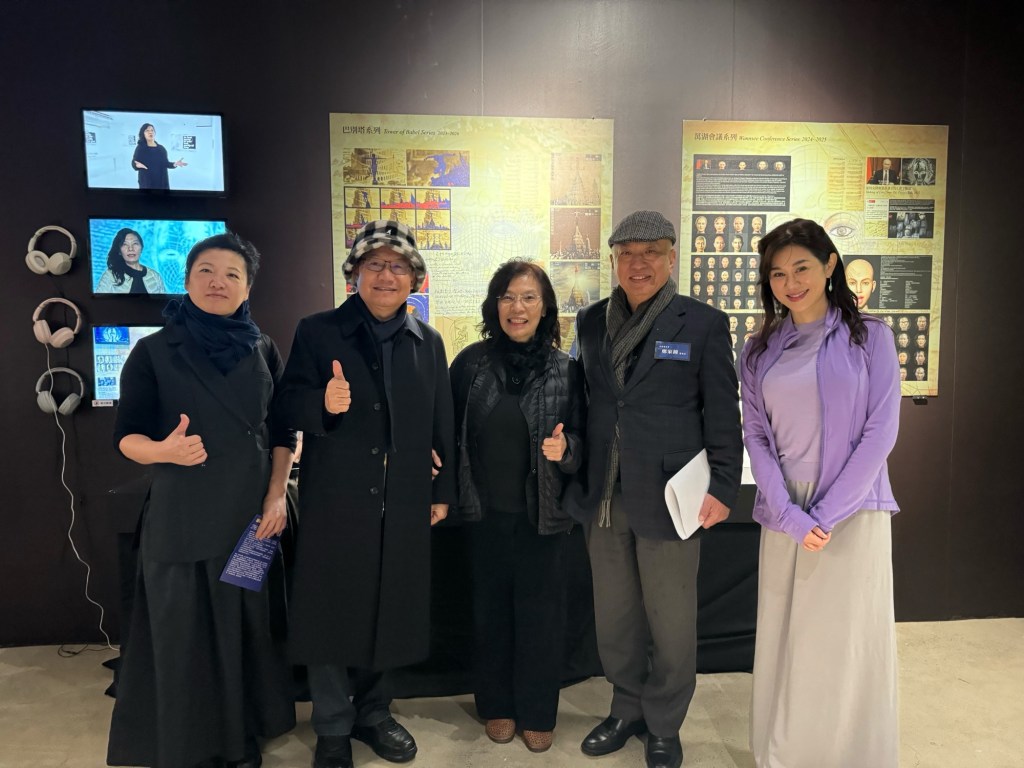
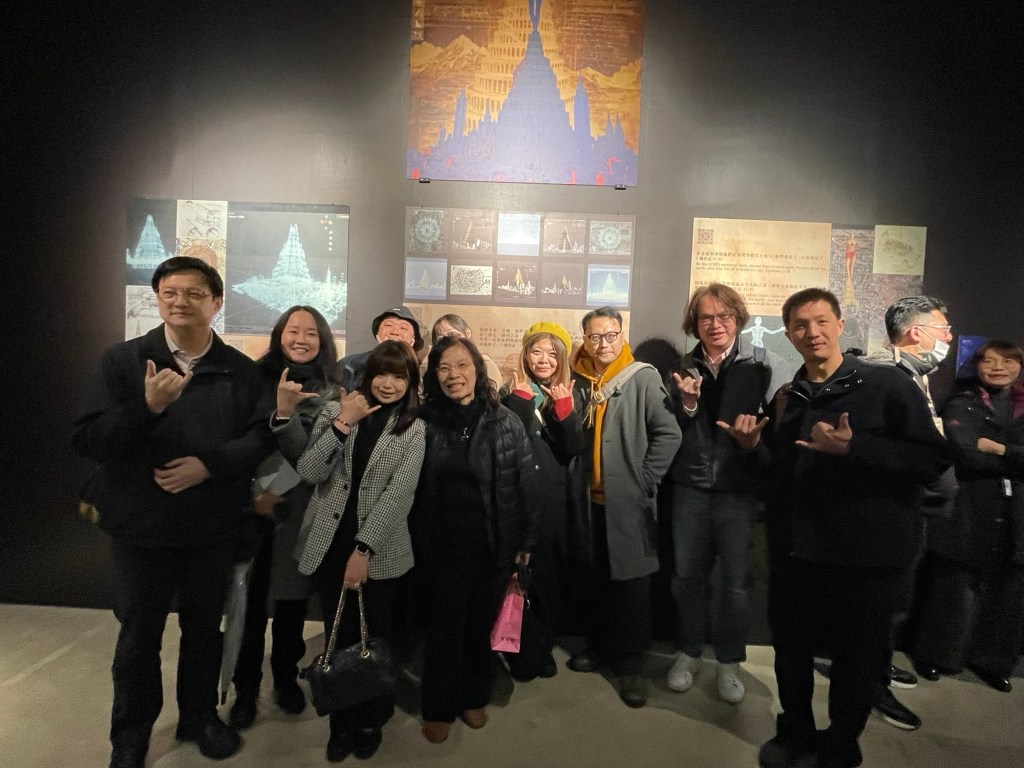
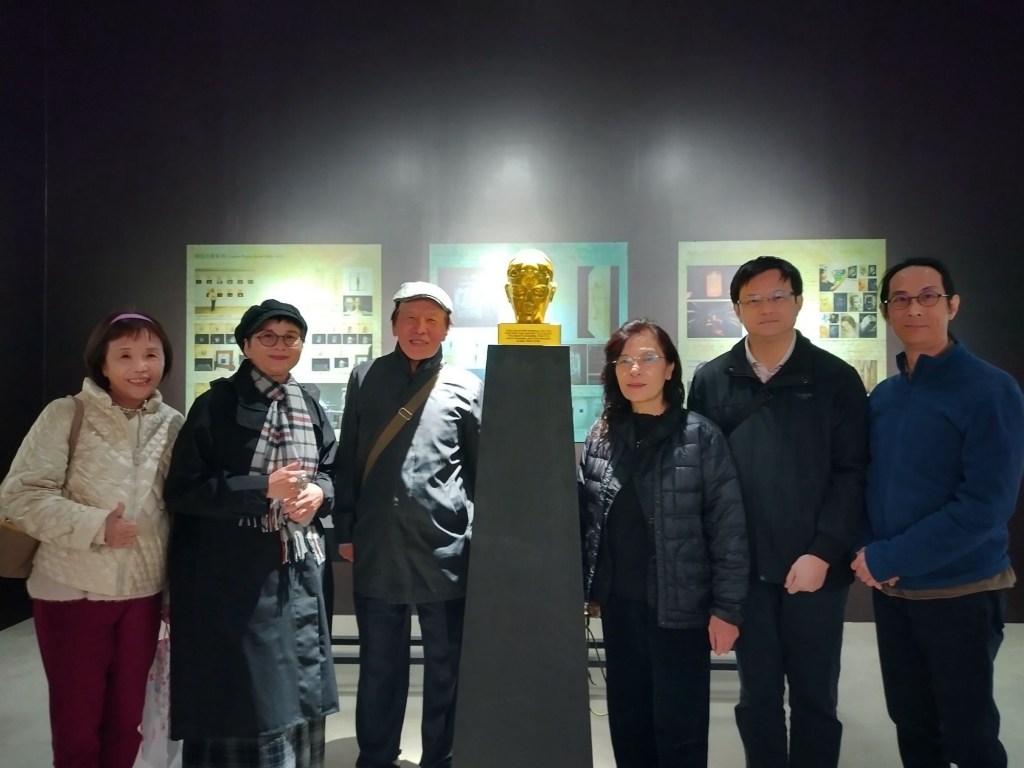
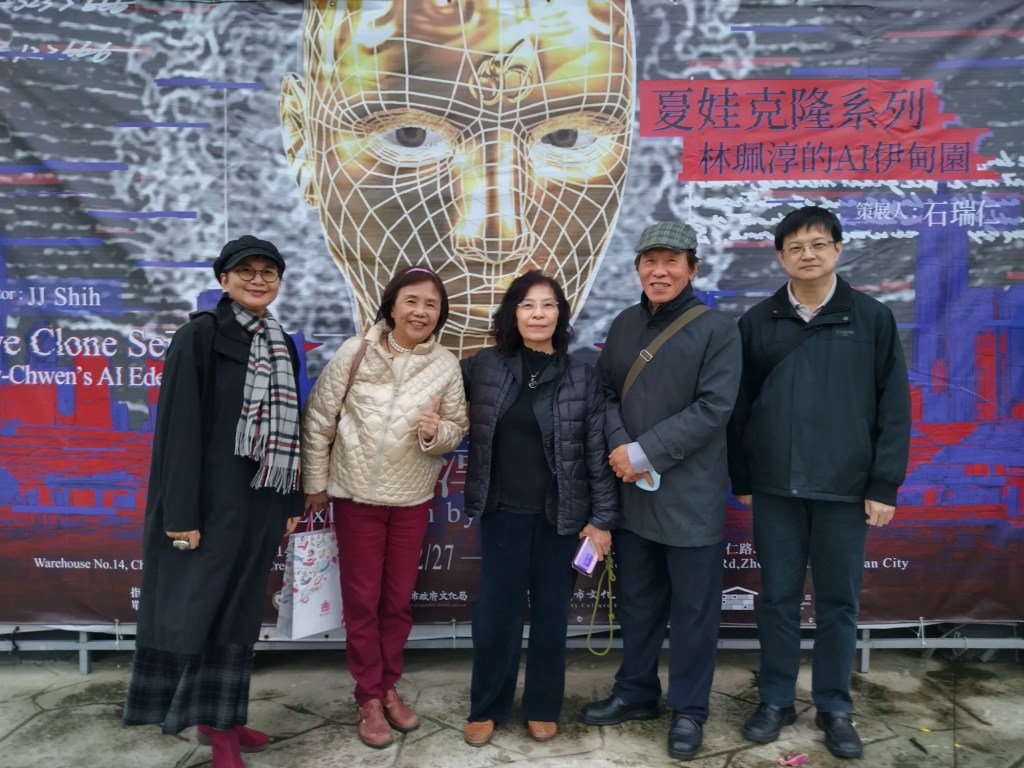
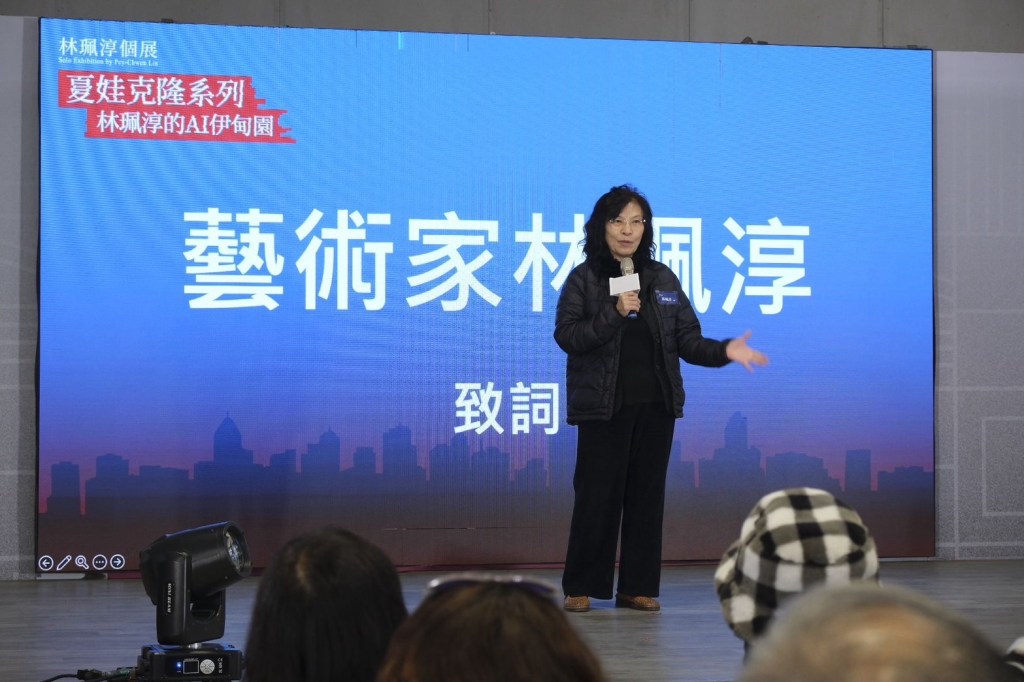
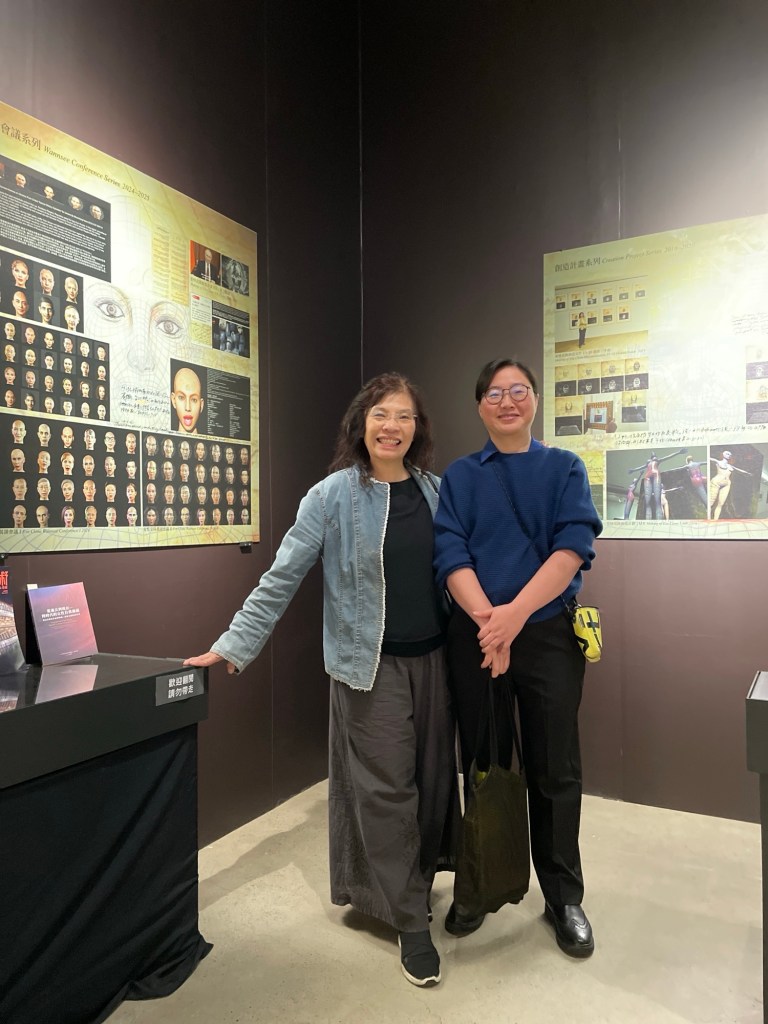
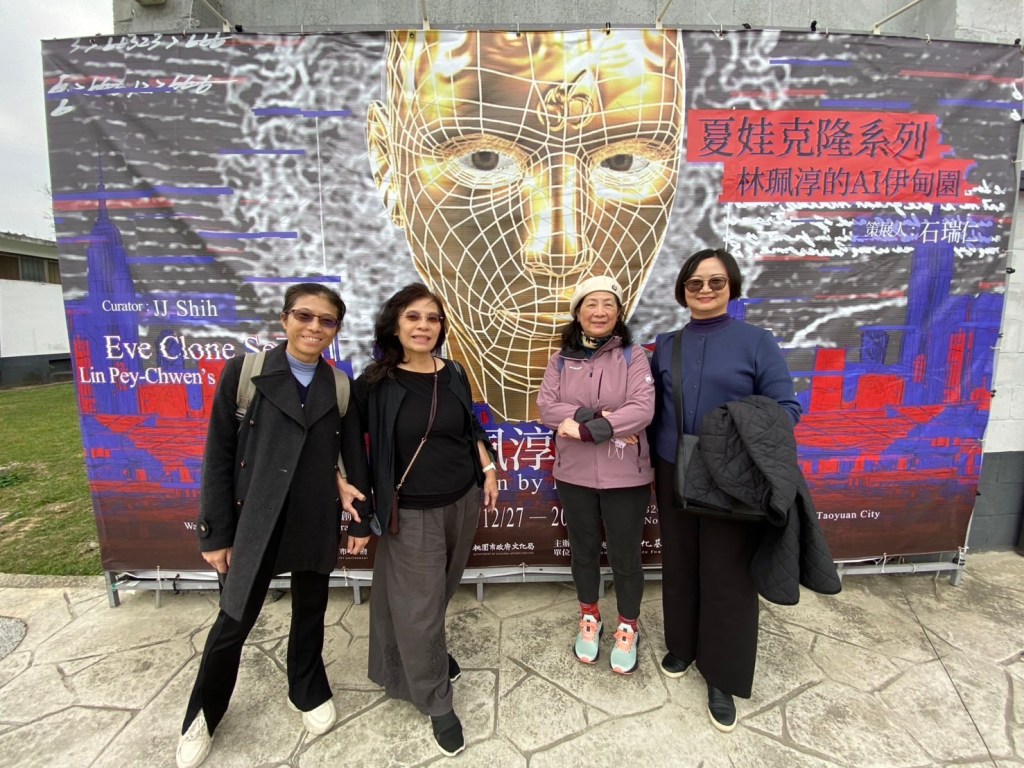
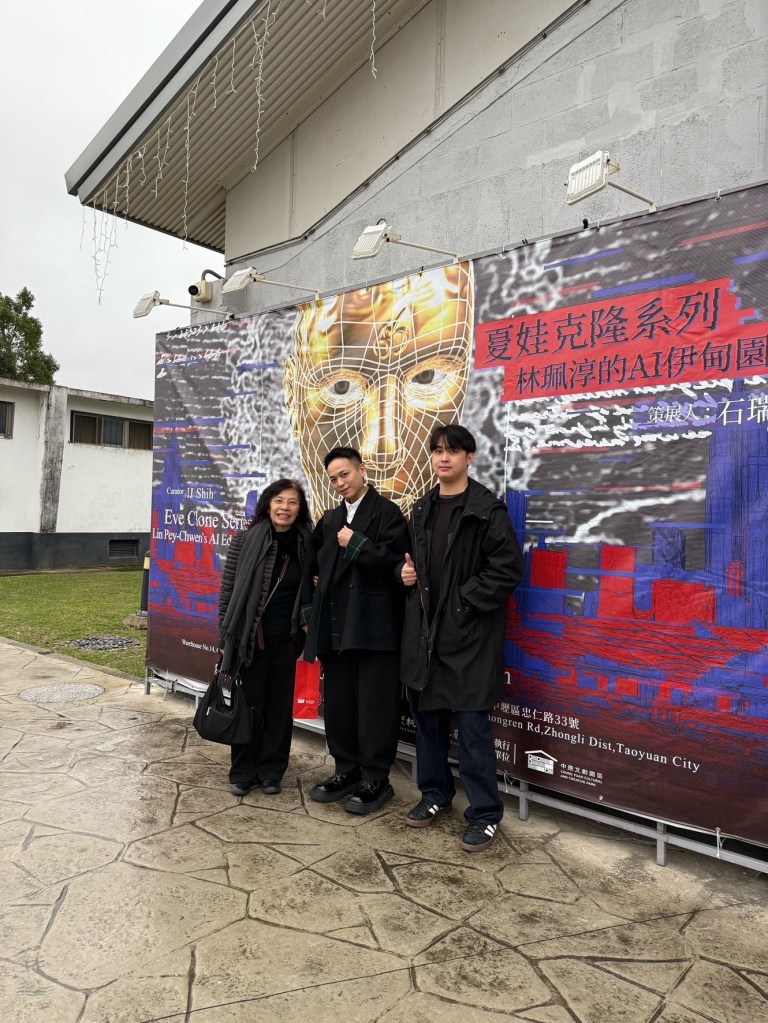
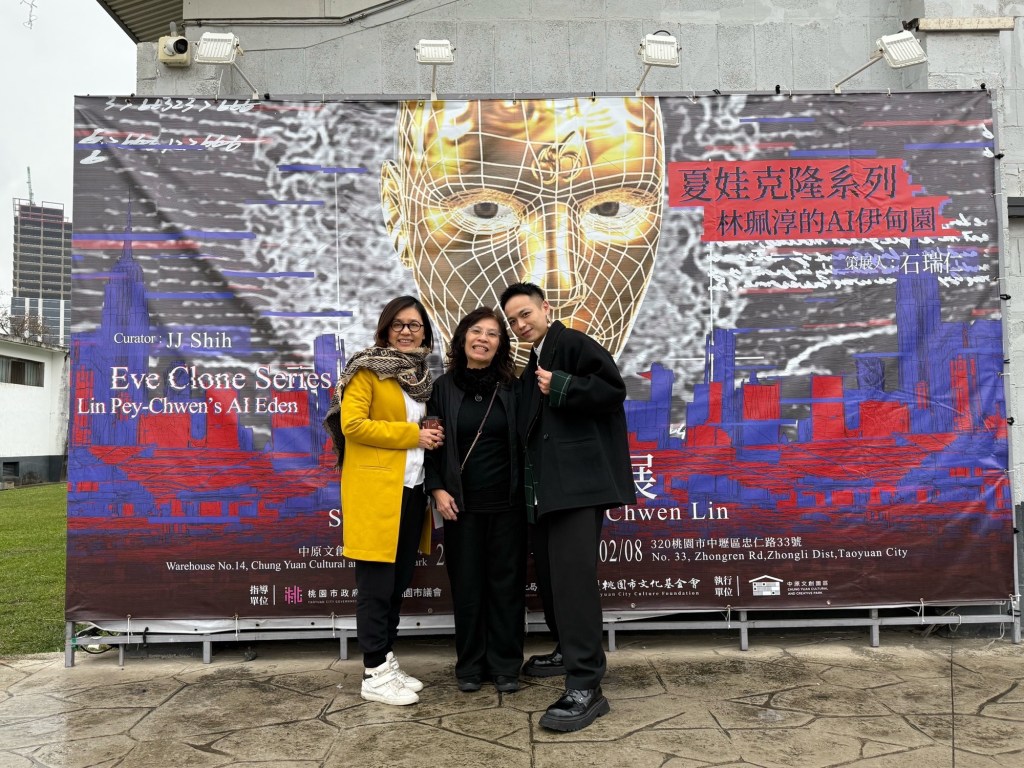
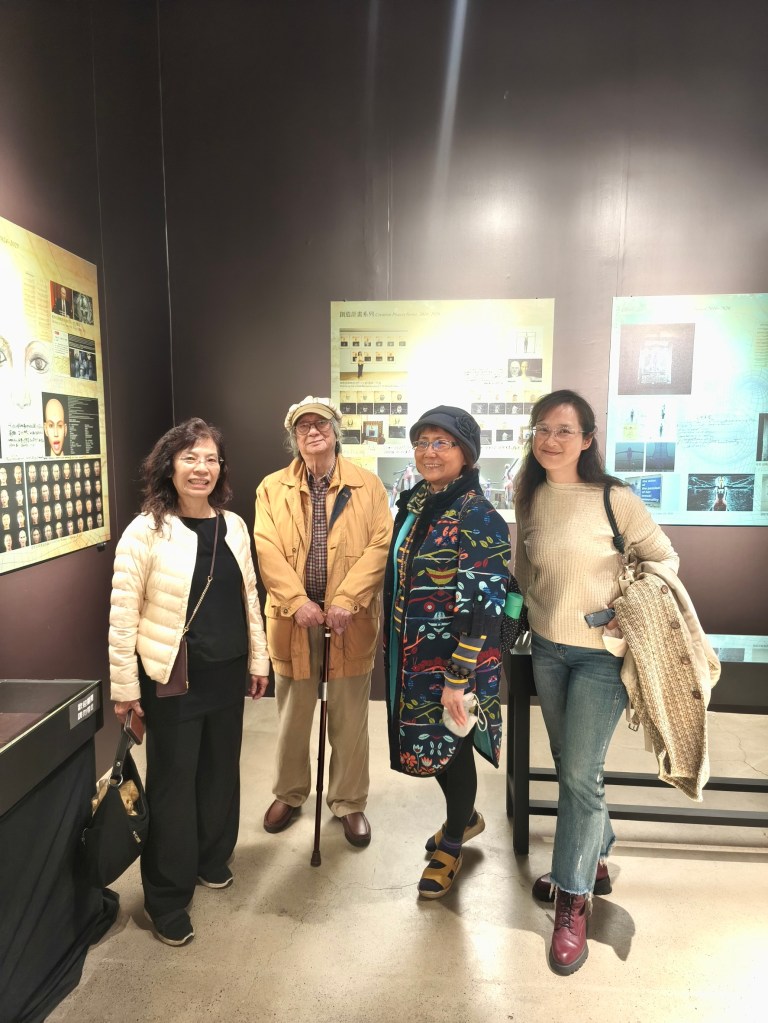
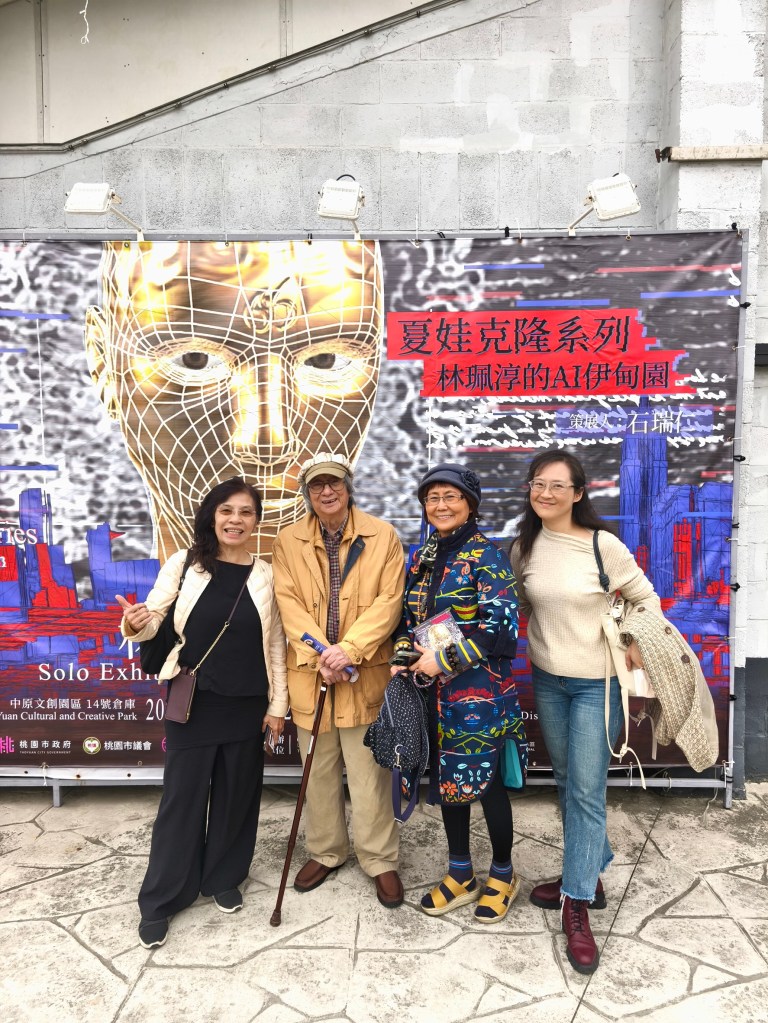
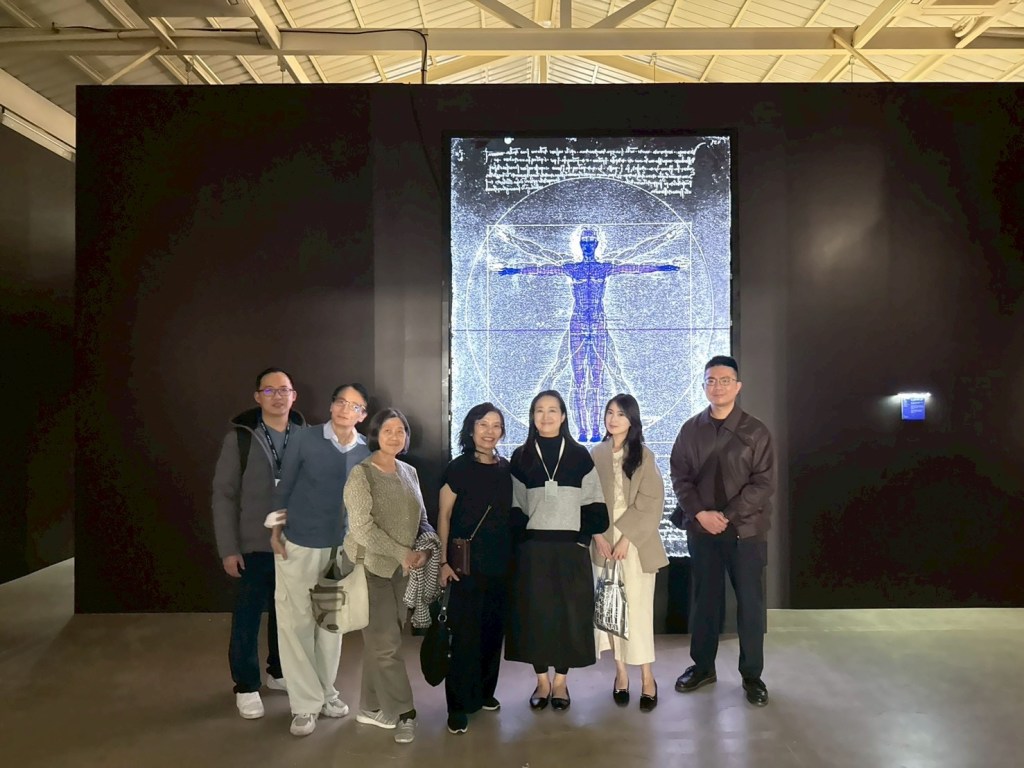
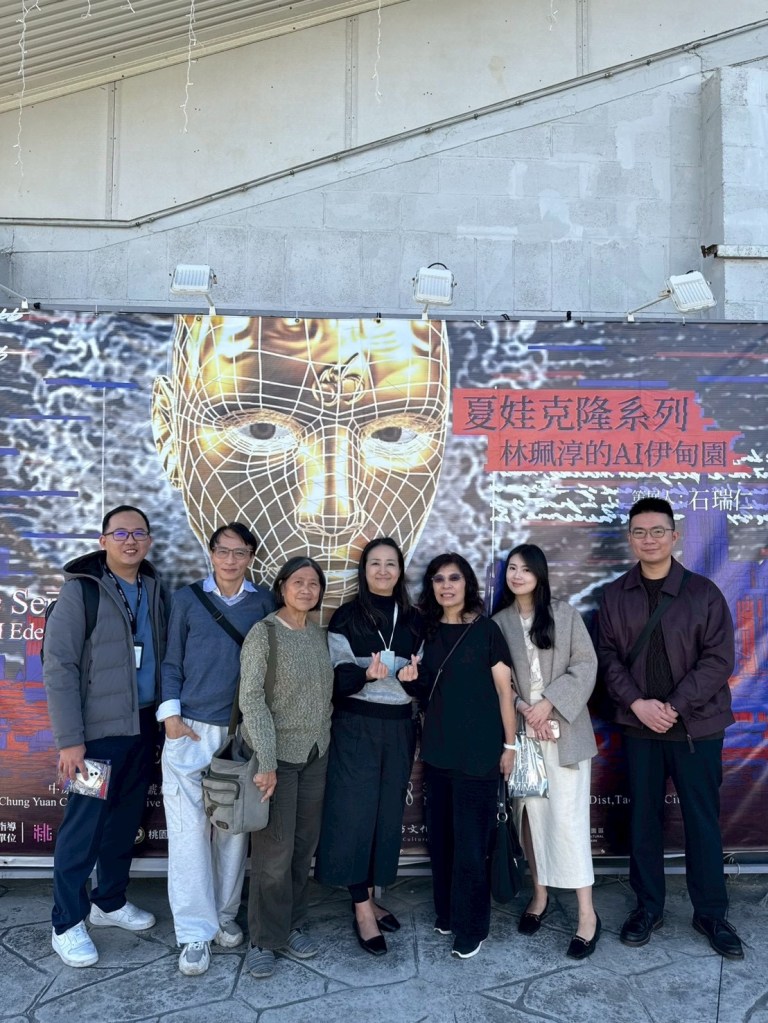
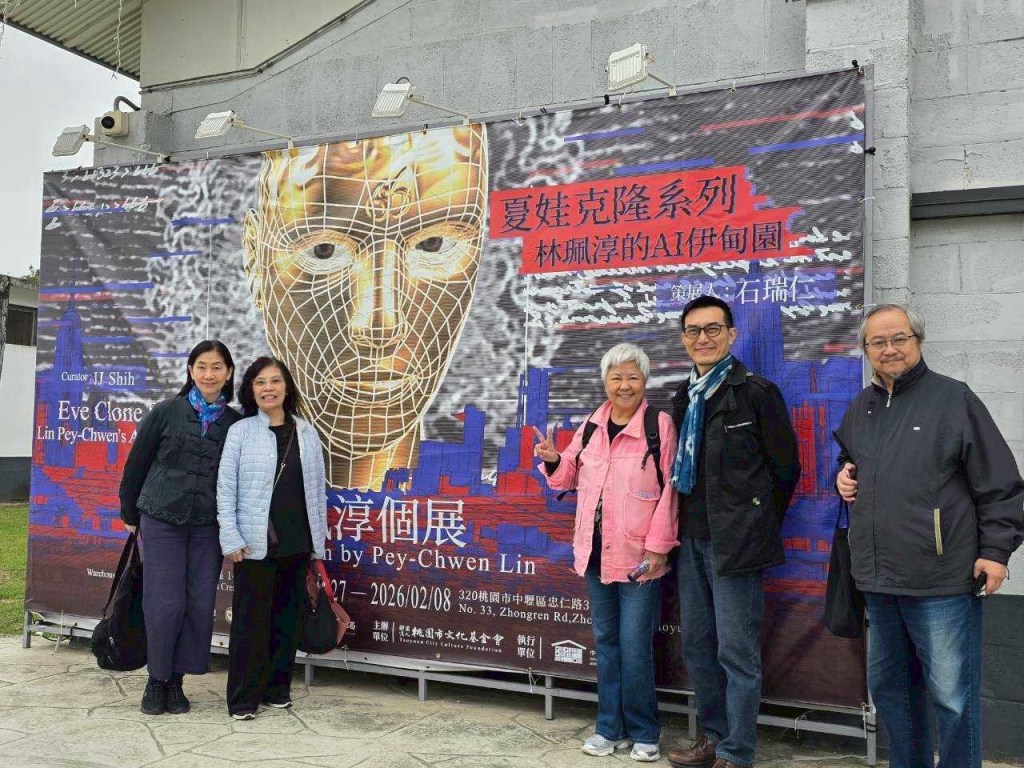
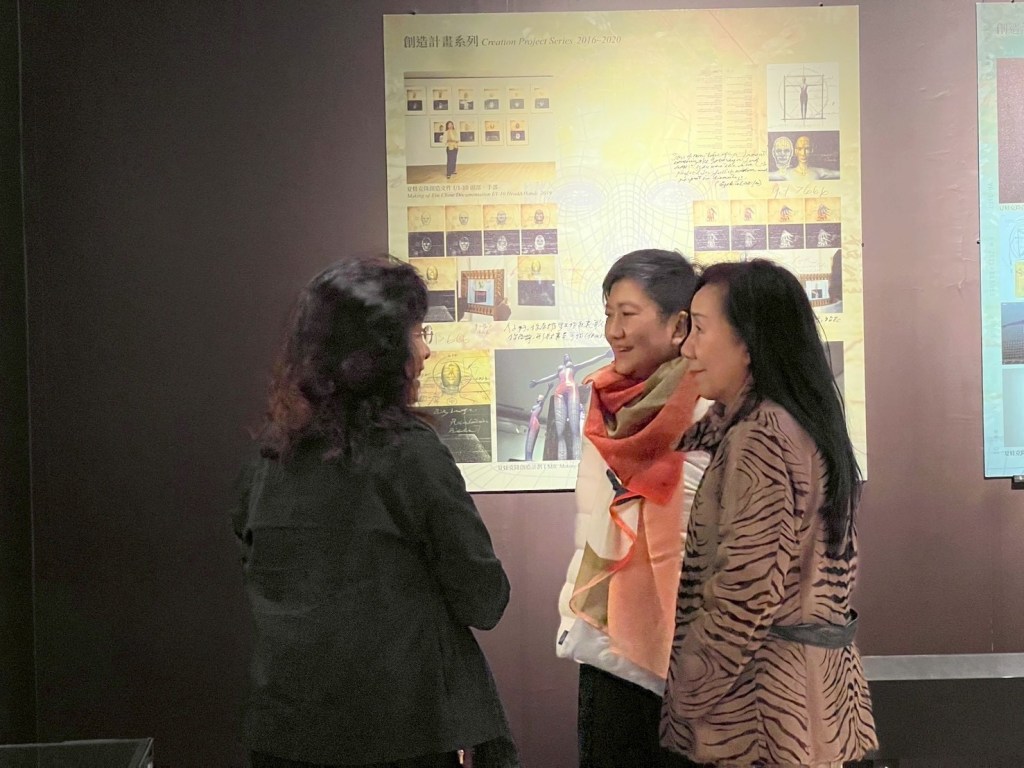
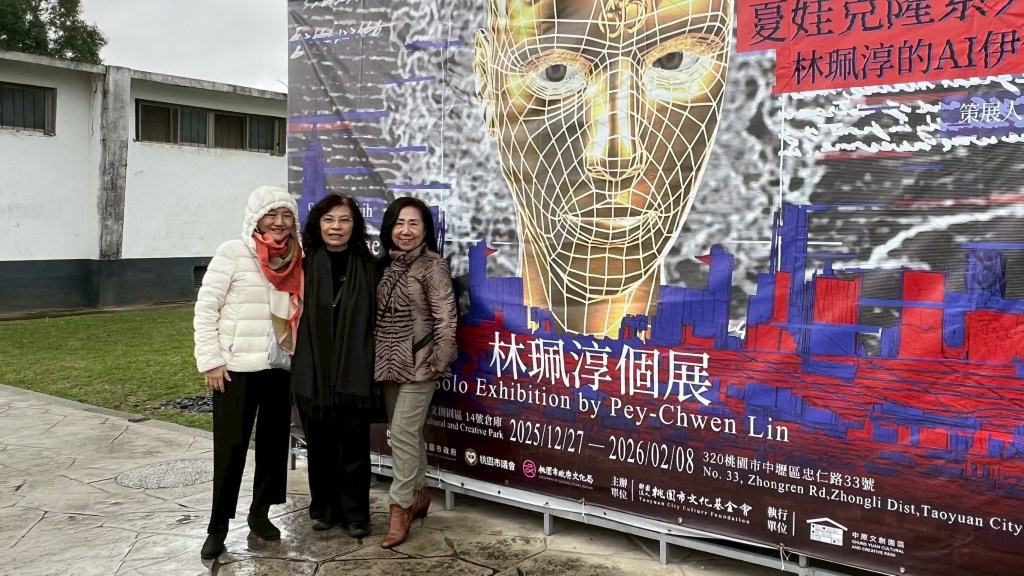
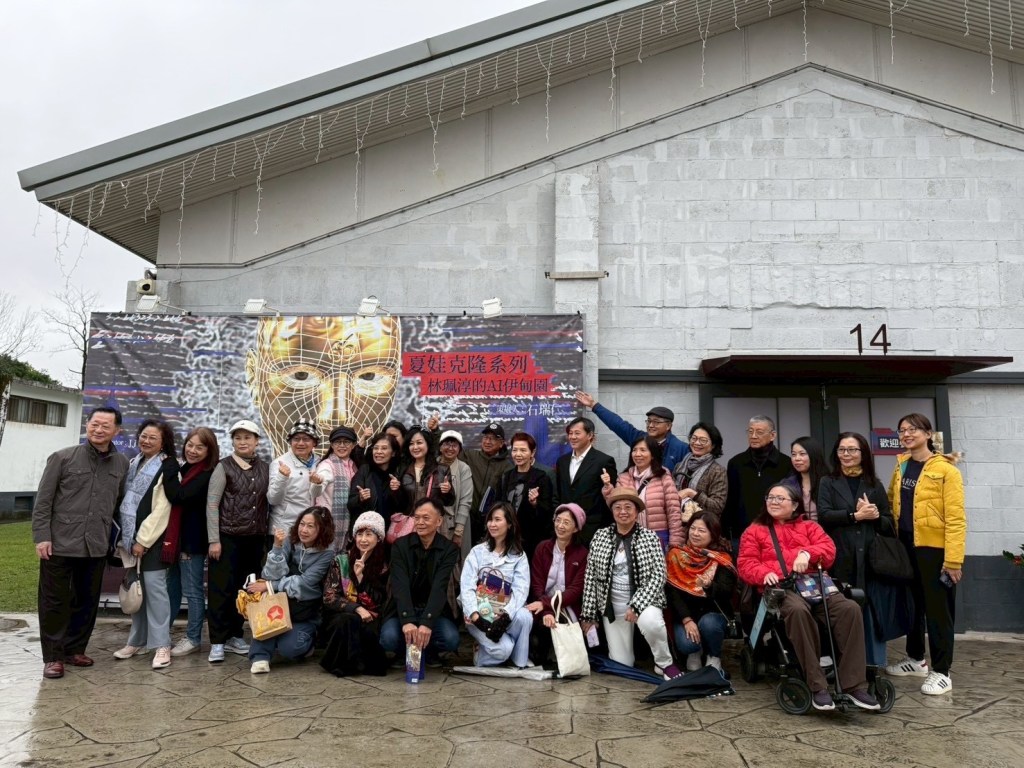
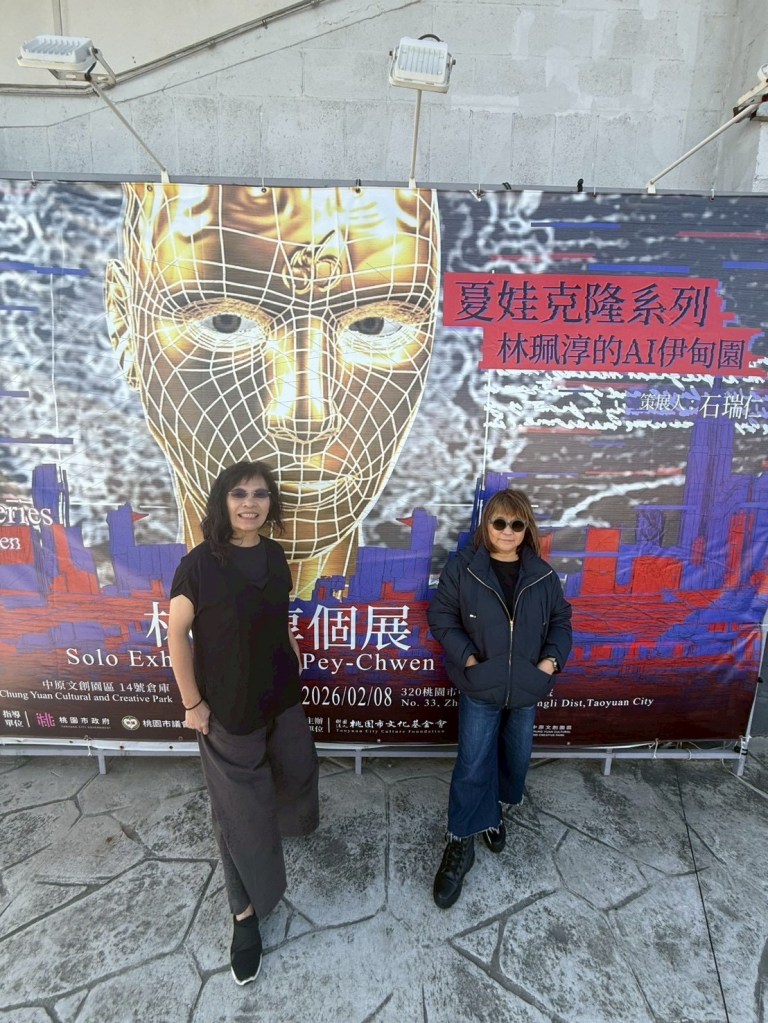
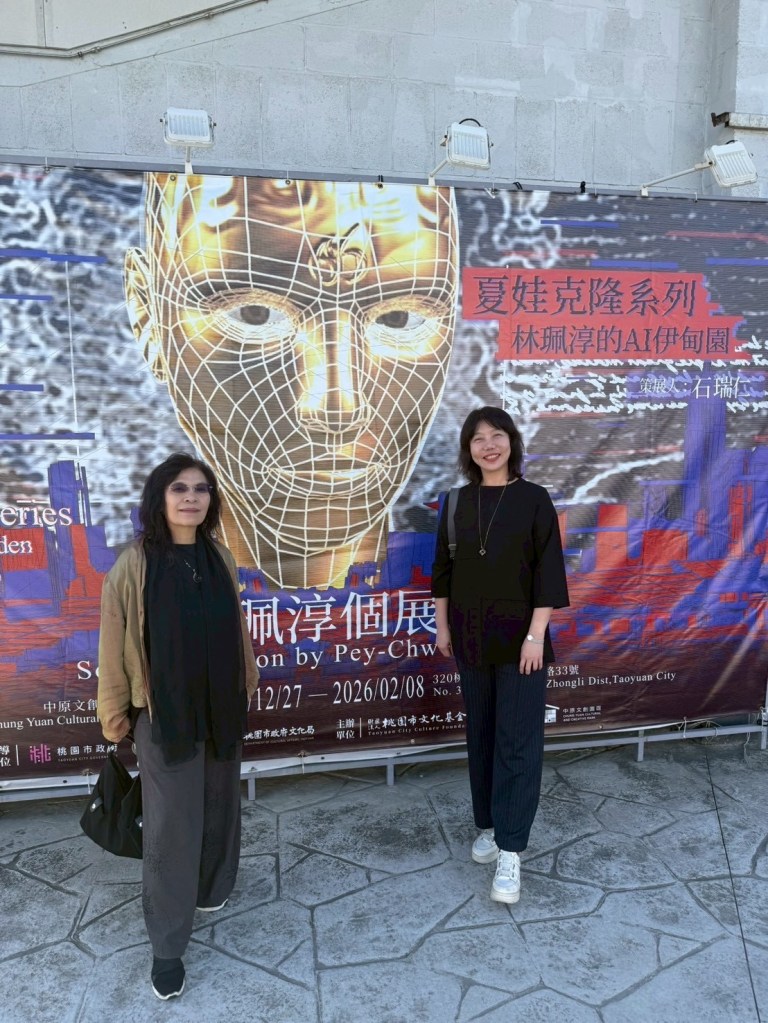
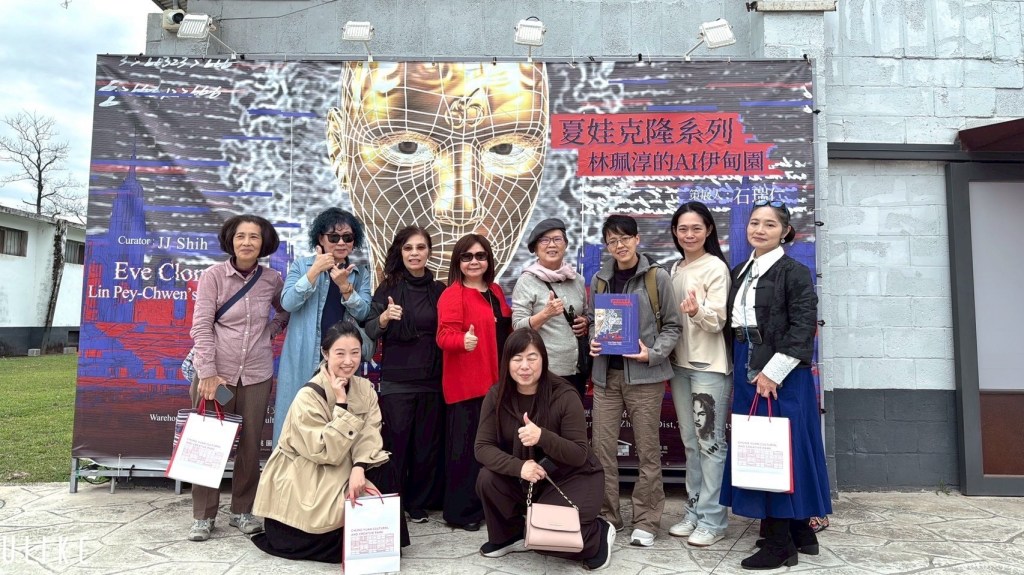
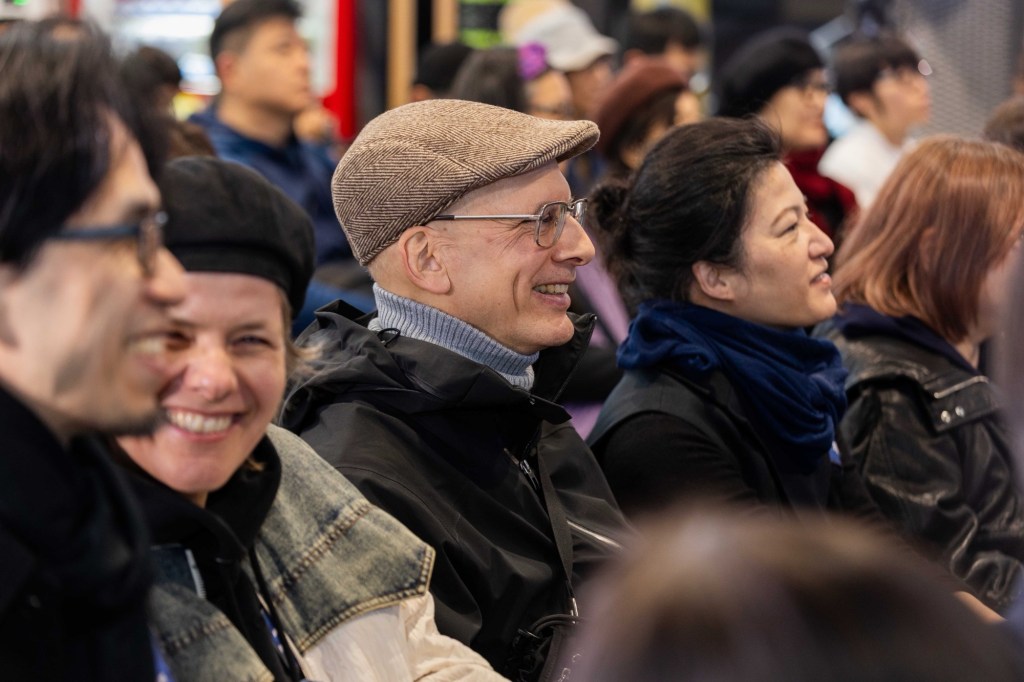
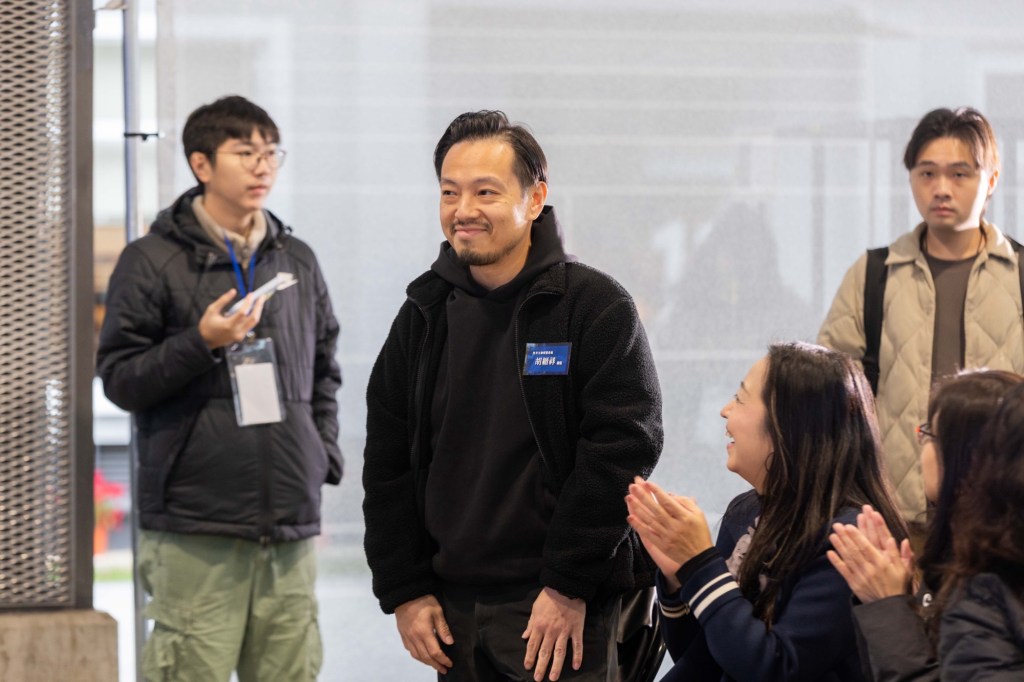
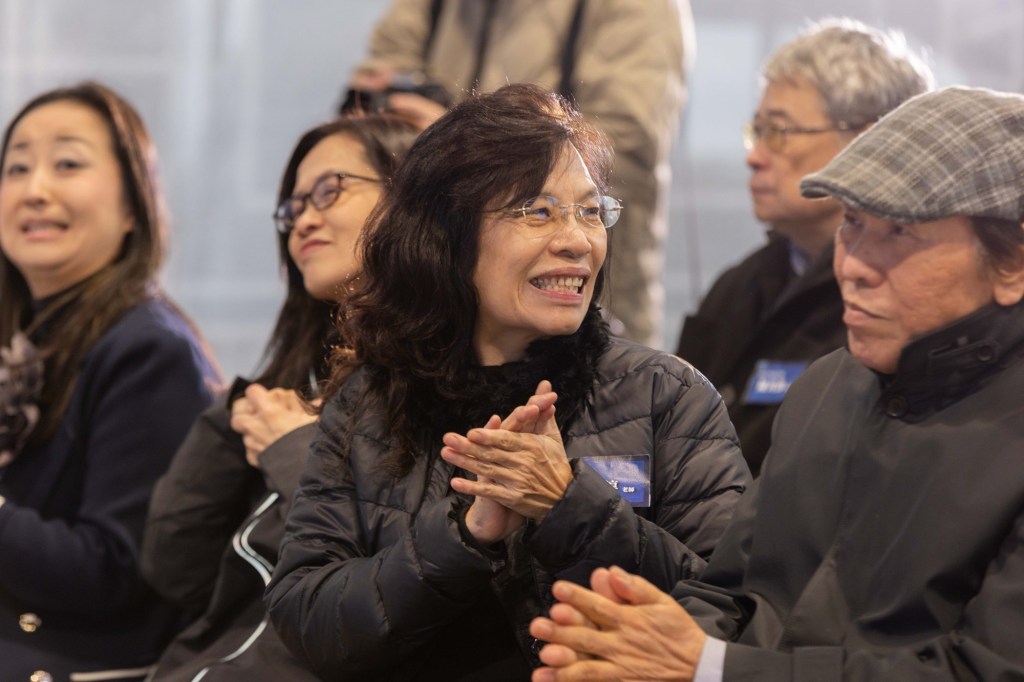
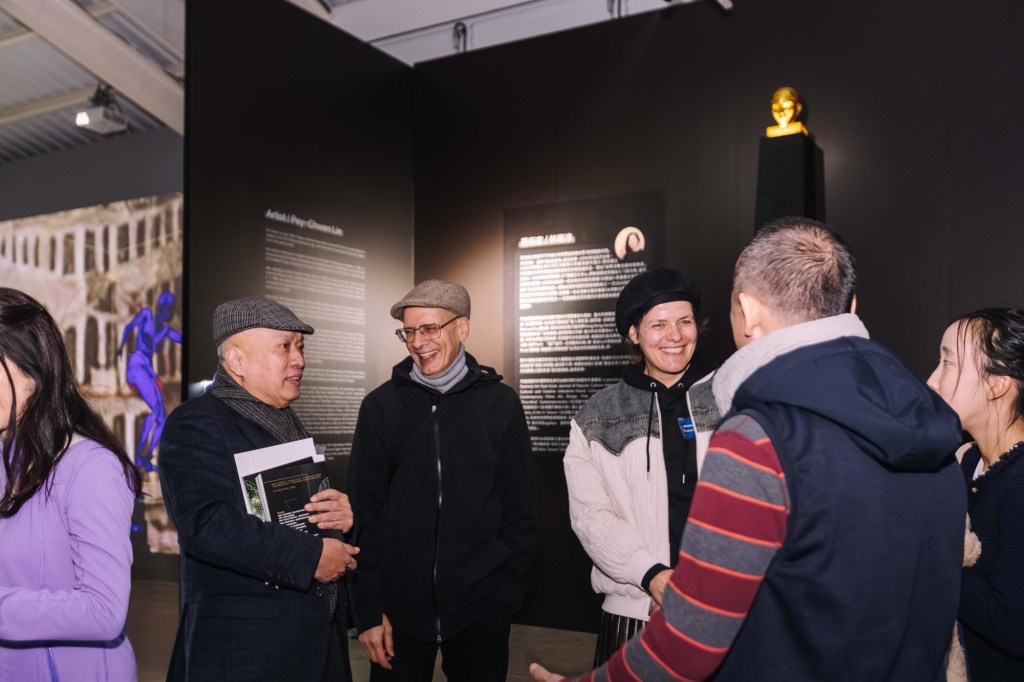
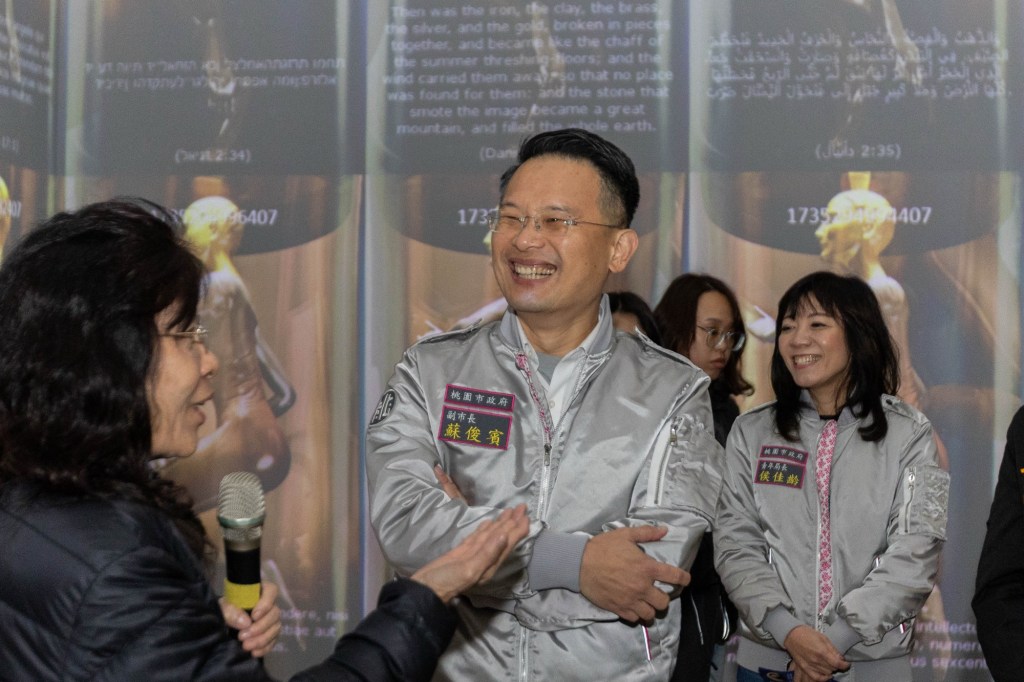
個展開幕 Opening



媒體報導
https://money.udn.com/money/story/5635/9385437
https://money.udn.com/money/story/5637/9241301
來源:自由時報電子報
https://share.google/YzTD84F9LRKITfuQY
來源:聯合新聞網
https://share.google/R8P5QmRMnX5snANvH
來源:PChome Online 新聞
https://share.google/jMt6VbDspiyehwZm3
來源:非池中藝術網
https://share.google/AOUoX1pIYesZlRqYm
來源:自由時報電子報
https://share.google/YzTD84F9LRKITfuQY
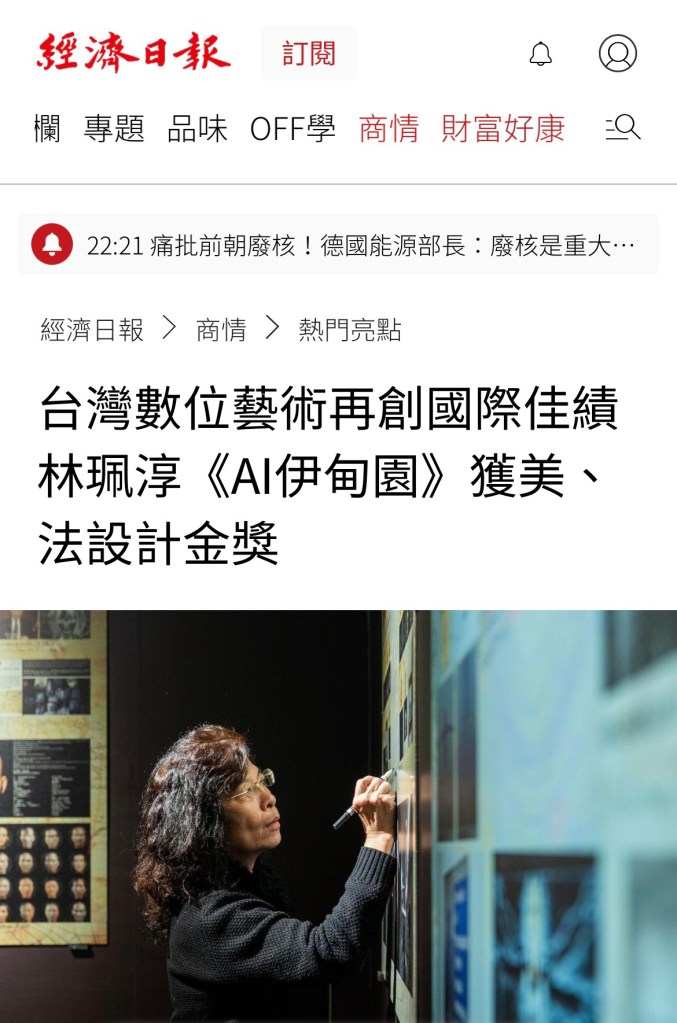
來源:經濟日報
https://share.google/IhS9EVjB6tz3qpsRZ
來源:經濟日報
https://share.google/SEkk5iKETO3fmhgTs
來源:TITV News 原視新聞網
https://share.google/lR3HgFHwrCuywG0hv
來源:TITV News 原視新聞網
https://share.google/EWD7dFcjQSHH6ftcS
來源:非池中藝術網
https://share.google/AOUoX1pIYesZlRqYm
來源:桃園市政府文化局
https://share.google/42HscW9QakSf7c1dr
 Lin, Pey-Chwen